1790 |
July 16 |
National Mall, District of Columbia |
1792 |
October 10 |
White House (Presidents Park), District of Columbia (transferred to the NPS August 10, 1933) |
1832 |
April 20 |
Hot Springs National Park, Arkansas (proclaimed Hot Springs Reservation; redesignated 1921) |
1866 |
April 7 |
Ford's Theatre, District of Columbia (acquisition authorized; designated a National Historic Site 1970) |
1872 |
March 1 |
Yellowstone National Park, Idaho, Montana, and Wyoming |
1876 |
August 2 |
Washington Monument, District of Columbia (accepted; dedicated 1885) |
1877 |
March 3 |
Statue of Liberty, New York (accepted; dedicated 1886; designated a National Monument 1924) |
1886 |
December 7 |
Little Bighorn Battlefield National Monument, Montana (renamed from Custer Battlefield National Monument 1991; redesignated 1946 from National Cemetery of Custer's Battlefield Reservation) |
1889 |
March 2 |
Casa Grande Ruins National Monument, Arizona (authorized as Casa Grande Ruin Reservation; redesignated 1918) |
1890 |
August 19 |
Chickamauga and Chattanooga National Military Park, Georgia and Tennessee |
1890 |
August 30 |
Antietam National Battlefield, Maryland (transferred to NPS on August 10, 1933; redesignated from a National Battlefield Site 1978) |
1890 |
September 25 |
Sequoia National Park, California |
1890 |
September 27 |
Rock Creek Park, District of Columbia |
1890 |
October 1 |
Kings Canyon National Park, California (incorporated General Grant National Park 1940) |
1890 |
October 1 |
Yosemite National Park, California (incorporated Yosemite State Park 1906) |
1894 |
December 27 |
Shiloh National Military Park, Tennessee |
1895 |
February 11 |
Gettysburg National Military Park, Pennsylvania |
1899 |
February 21 |
Vicksburg National Military Park, Mississippi |
1899 |
March 2 |
Mount Rainier National Park, Washington |
1902 |
May 22 |
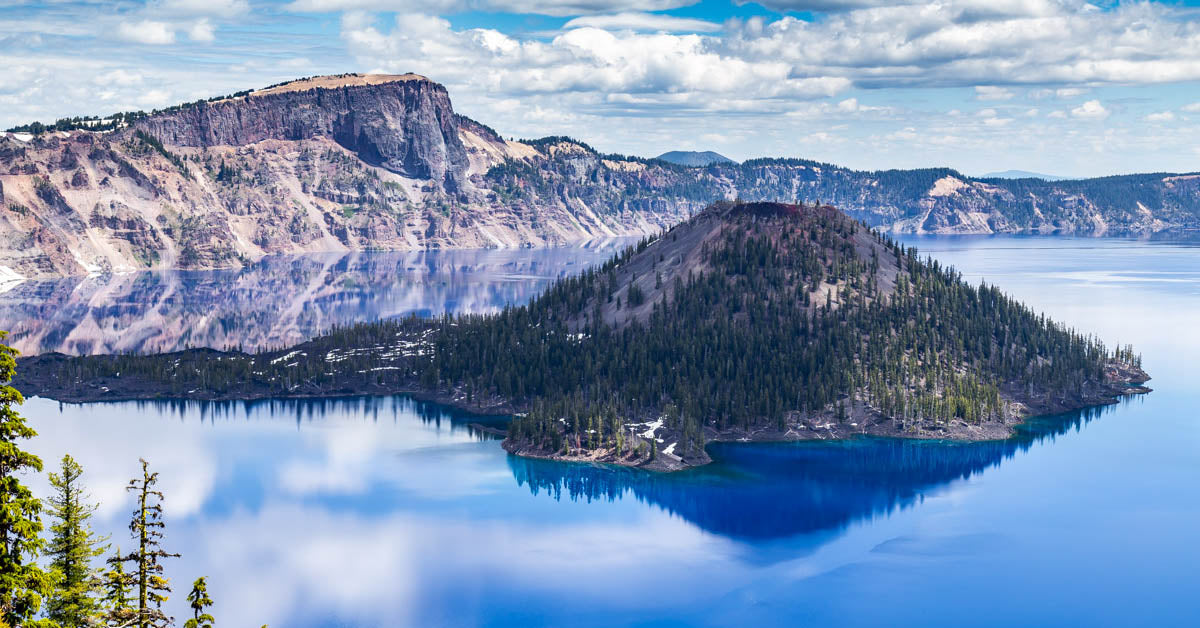
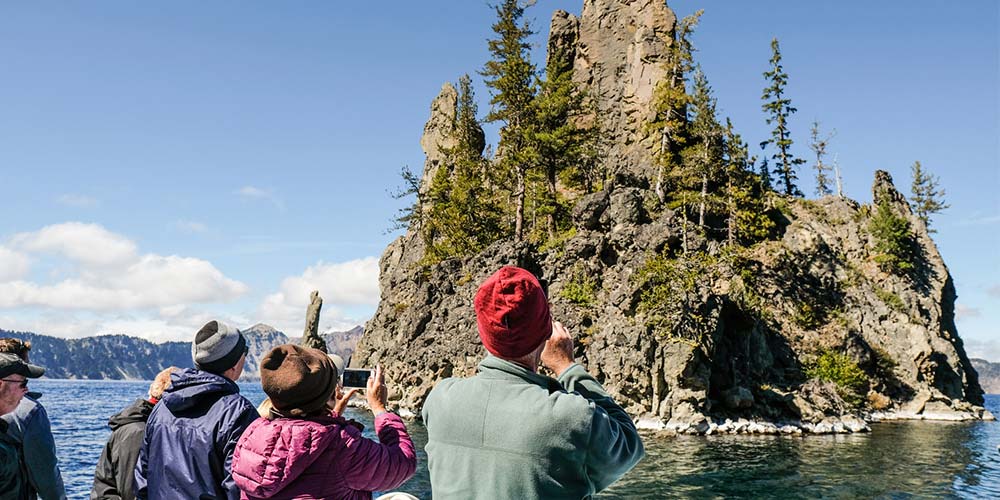
Crater Lake National Park, Oregon |
1902 |
July 1 |
Chickasaw National Recreation Area, Oklahoma (incorporated Platt National Park and Arbuckle National Recreation Area March 17, 1976) |
1903 |
January 9 |
Wind Cave National Park, South Dakota |
1906 |
June 29 |
Mesa Verde National Park, Colorado |
1906 |
September 24 |
Devils Tower National Monument, Wyoming |
1906 |
December 8 |
El Morro National Monument, New Mexico |
1906 |
December 8 |
Montezuma Castle National Monument, Arizona |
1906 |
December 8 |
Petrified Forest National Park, Arizona (redesignated from a National Monument 1962) |
1907 |
March 4 |
Jean Lafitte National Historical Park and Preserve, Louisiana (incorporated Chalmette National Historical Park 1978) |
1907 |
May 6 |
Lassen Volcanic National Park, California (incorporated Cinder Cone and Lassen Peak NMs August 9, 1916) |
1907 |
November 16 |
Gila Cliff Dwellings National Monument, New Mexico |
1907 |
December 19 |
Tonto National Monument, Arizona |
1907 |
March 11 |
Chaco Culture National Historical Park, New Mexico (incorporated Chaco Canyon National Monument Dec. 19, 1980) |
1908 |
January 9 |
Muir Woods National Monument, California |
1908 |
January 16 |
Pinnacles National Park, California (redesignated from a National Monument 2013) |
1908 |
February 7 |
Jewel Cave National Monument, South Dakota |
1908 |
April 16 |
Natural Bridges National Monument, Utah |
1908 |
September 15 |
Tumacacori National Historical Park, Arizona (incorporated National Monument 1990) |
1909 |
March 2 |
Olympic National Park, Washington (incorporated Mount Olympus National Monument) |
1909 |
March 20 |
Navajo National Monument, Arizona |
1909 |
July 12 |
Oregon Caves National Monument, Oregon |
1909 |
July 31 |
Zion National Park, Utah (incorporated Zion National Monument 1956; incorporated Mukuntuweap National Monument 1918) |
1910 |
March 23 |
Sitka National Historical Park, Alaska (redesignated from a National Monument 1972) |
1910 |
May 11 |
Glacier National Park, Montana |
1910 |
May 30 |
Rainbow Bridge National Monument, Utah |
1910 |
June 23 |
Big Hole Battlefield National Battlefield, Montana (set aside as a military reserve in 1883; redesignated from a National Monument 1963) |
1911 |
February 9 |
Lincoln Memorial, District of Columbia (dedicated 1922) |
1911 |
May 24 |
Colorado National Monument, Colorado |
1911 |
July 6 |
Devils Postpile National Monument, California |
1913 |
October 14 |
Cabrillo National Monument, California |
1915 |
January 26 |
Rocky Mountain National Park, Colorado |
1915 |
October 4 |
Dinosaur National Monument, Colorado |
1915 |
November 30 |
Walnut Canyon National Monument, Arizona |
1916 |
February 11 |
Bandelier National Monument, New Mexico |
1916 |
July 8 |
Acadia National Park, Maine (originally Sieur de Monts National Monument; redesignated Lafayette National Park 1919; redesignated Acadia National Park 1919) |
1916 |
July 17 |
Abraham Lincoln Birthplace National Historical Park, Kentucky (originally Abraham Lincoln National Park; redesignated a National Historic Site 1939; renamed and redesignated 1959; redesignated a National Historical Park 2009) |
1916 |
August 1 |
Haleakala National Park, Hawaii (detached from Hawaii National Park 1960) |
1916 |
August 1 |
Hawaii Volcanoes National Park, Hawaii (split into Haleakala National Park and Hawaii National Park 1960; latter redesignated Hawaii Volcanoes National Park 1961) |
1916 |
August 9 |
Capulin Volcano National Monument, New Mexico (redesignated from Capulin Mountain National Monument 1987) |
1917 |
February 18 |
Kennesaw Mountain National Battlefield Park, Georgia (originally a NBS; redesignated 1935) |
1917 |
February 26 |
Denali National Park and Denali National Preserve, Alaska (incorporated Mount McKinley National Park and Denali National Monument by ANILCA 1980) |
1917 |
March 2 |
Guilford Courthouse National Military Park, North Carolina |
1918 |
September 24 |
Katmai National Park and Katmai National Preserve, Alaska (originally a National Monument, redesignated by ANILCA 1980) |
1919 |
February 26 |
Grand Canyon National Park, Arizona (incorporated 1908 Grand Canyon National Monument) |
1919 |
December 12 |
Scotts Bluff National Monument, Nebraska |
1919 |
December 19 |
Yucca House National Monument, Colorado |
1922 |
January 24 |
Great Basin National Park, Nevada (incorporated Lehman Caves National Monument 1986) |
1922 |
October 14 |
Timpanogos Cave, Utah |
1923 |
January 21 |
Aztec Ruins National Monument, New Mexico (redesignated 1928) |
1923 |
March 2 |
Hovenweep National Monument, Utah |
1923 |
May 31 |
Pipe Spring National Monument, Arizona |
1923 |
June 8 |
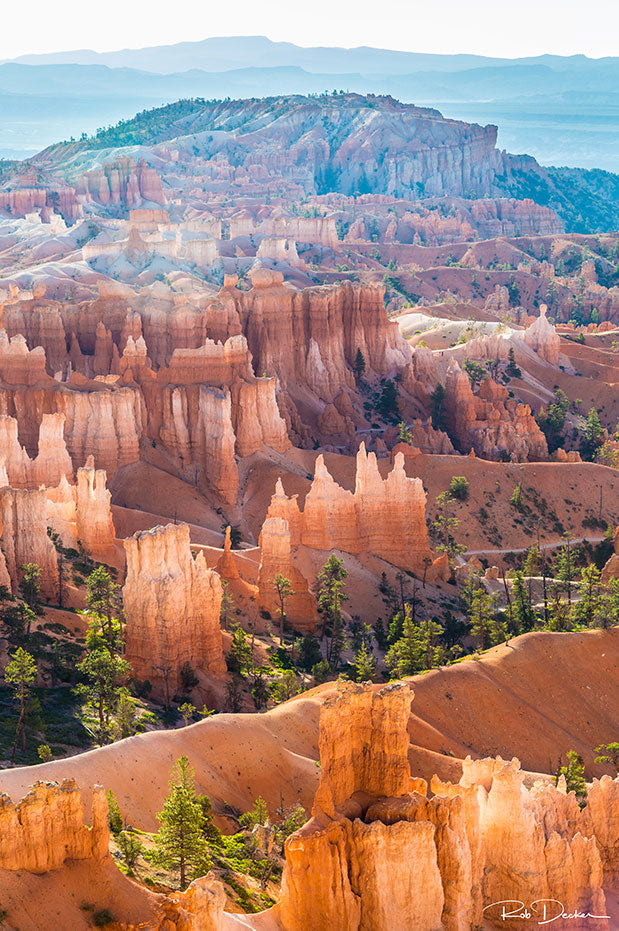
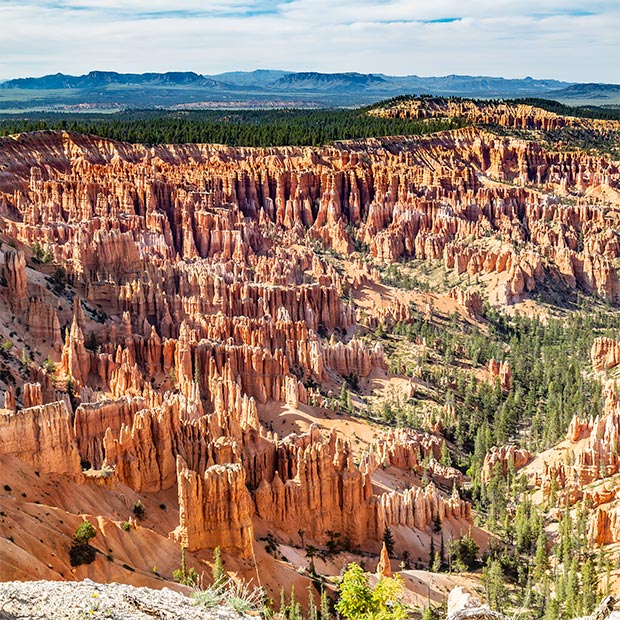
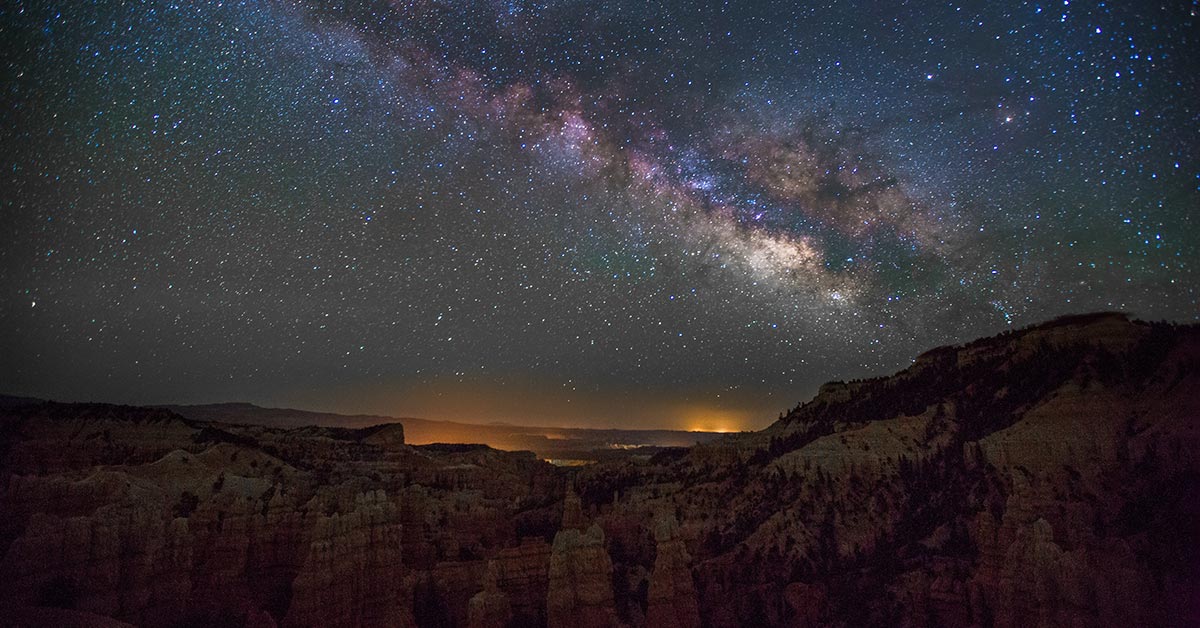
Bryce Canyon National Park, Utah (redesignated Utah National Park 1924; redesignated from Bryce Canyon National Monument 1928) |
1923 |
October 25 |
Carlsbad Caverns National Park, New Mexico (redesignated from Carlsbad Cave National Monument 1930) |
1923 |
March 2 |
Hopewell Culture National Historical Park, Ohio (incorporated Mound City Group National Monument 1992) |
1924 |
April 18 |
Chiricahua National Monument, Arizona |
1924 |
May 2 |
Craters of the Moon National Monument and Craters of the Moon National Preserve, Idaho (preserve designated August 21, 2002) |
1924 |
October 15 |
Castillo de San Marcos National Monument, Florida (redesignated from Fort Marion National Monument 1942) |
1924 |
October 15 |
Fort Matanzas National Monument, Florida |
1924 |
October 15 |
Fort Pulaski, Georgia |
1924 |
December 9 |
Wupatki National Monument, Arizona |
1925 |
February 26 |
Glacier Bay National Park and Glacier Bay National Preserve, Alaska (originally a National Monument; redesignated by ANILCA 1980) |
1925 |
March 3 |
Fort McHenry National Monument and Historic Shrine, Maryland (redesignated from Fort McHenry National Park 1939) |
1925 |
March 4 |
Arlington House, The Robert E. Lee Memorial, Virginia (date restoration authorized; designated Custis-Lee Mansion 1955; redesignated 1972) |
1925 |
November 21 |
Lava Beds National Monument, California |
1925 |
March 3 |
Mount Rushmore National Memorial, South Dakota (acquired 1939) |
1926 |
May 22 |
Shenandoah National Park, Virginia |
1926 |
May 22 |
Great Smoky Mountains National Park, North Carolina and Tennessee |
1926 |
May 25 |
Mammoth Cave National Park, Kentucky |
1926 |
June 2 |
Moores Creek National Battlefield, North Carolina (originally a National Military Park; redesignated 1980) |
1926 |
July 3 |
Petersburg National Military Park, Virginia (redesignated a National Battlefield 1962) |
1927 |
February 14 |
Fredericksburg and Spotsylvania County Battlefields Memorial National Military Park, Virginia |
1927 |
March 2 |
Wright Brothers National Memorial, North Carolina (originally Kill Devil Hill Monument, redesignated 1953) |
1927 |
March 3 |
Stones River National Battlefield, Tennessee (originally a National Military Park; redesignated 1980) |
1929 |
February 21 |
Brices Cross Roads NBS, Mississippi |
1929 |
February 26 |
Grand Teton National Park, Wyoming (incorporated 1929 National Park and Jackson Hole National Monument) |
1929 |
March 4 |
Cowpens National Battlefield, South Carolina (transferred to NPS August 10, 1933; redesignated from a national battlefield site in 1972) |
1929 |
April 12 |
Arches National Park, Utah (redesignated from a National Monument 1978) |
1930 |
January 23 |
George Washington Birthplace National Monument, Virginia |
1930 |
May 26 |
Sunset Crater Volcano National Monument, Arizona (redesignated from Sunset Crater Volcano National Monument 1990) |
1930 |
May 29 |
George Washington Memorial Parkway, Virginia (incorporated Mount Vernon Memorial Highway May 23, 1928) |
1930 |
June 18 |
Appomattox Court House National Historical Park, Virginia (authorized as a national historical monument 1935; redesignated 1954) |
1930 |
December 30 |
Colonial National Historical Park, Virginia (authorized July 3, 1930; redesignated from a National Monument 1936) |
1931 |
February 14 |
Canyon de Chelly National Monument, Arizona |
1931 |
March 3 |
Isle Royale National Park, Michigan |
1931 |
March 4 |
Fort Necessity National Battlefield, Pennsylvania (redesignated from a NBS 1961) |
1932 |
March 17 |
Great Sand Dunes National Park and Great Sand Dunes National Preserve, Colorado (National Preserve authorized 2000; redesignated from a National Monument 2004) |
1932 |
May 21 |
Theodore Roosevelt Island, District of Columbia |
1933 |
January 18 |
White Sands National Monument, New Mexico |
1933 |
February 11 |
Death Valley National Park, California (incorporated Death Valley National Monument) |
1933 |
March 1 |
Saguaro National Park, Arizona (redesignated from a National Monument 1994) |
1933 |
March 2 |
Black Canyon of the Gunnison National Park, Colorado (redesignated from a National Monument 1999) |
1933 |
June 16 |
Blue Ridge Parkway, North Carolina and Virginia |
1933 |
August 22 |
Cedar Breaks National Monument, Utah |
1933 |
March 2 |
Morristown National Historical Park, New Jersey |
1933 |
August 10 |
Fort Donelson National Battlefield, Tennessee |
1933 |
August 10 |
Kings Mountain National Military Park, South Carolina |
1933 |
August 10 |
Tupelo National Battlefield, Mississippi |
1933 |
August 10 |
National Capital Parks, District of Columbia (incorporated Baltimore-Washington Parkway 1975) |
1934 |
May 30 |
Everglades National Park, Florida |
1934 |
June 19 |
Natchez Trace Parkway, Mississippi (incorporated Ackia Battleground National Monument and Meriwether Lewis National Monument 1961) |
1934 |
June 21 |
Monocacy National Battlefield, Maryland (reauthorized and redesignated from a National Military Park Oct. 21, 1976) |
1934 |
June 26 |
Thomas Jefferson Memorial, District of Columbia (dedicated 1943) |
1934 |
June 14 |
Ocmulgee National Monument, Georgia |
1935 |
June 20 |
Big Bend National Park, Texas |
1935 |
August 21 |
Fort Stanwix National Monument, New York (acquired 1973) |
1935 |
August 29 |
Andrew Johnson National Historic Site, Tennessee (redesignated from a National Monument 1963) |
1935 |
December 21 |
Jefferson National Expansion Memorial, Missouri (Gateway Arch authorized 1954) |
1936 |
March 2 |
Richmond National Battlefield Park, Virginia |
1936 |
March 19 |
Homestead National Monument of America, Nebraska |
1936 |
May 26 |
Fort Frederica National Monument, Georgia |
1936 |
June 2 |
Perry's Victory and International Peace Memorial, Ohio (redesignated 1972) |
1936 |
June 29 |
Whitman Mission National Historic Site, Washington (redesignated from Whitman National Monument 1963) |
1936 |
August 10 |
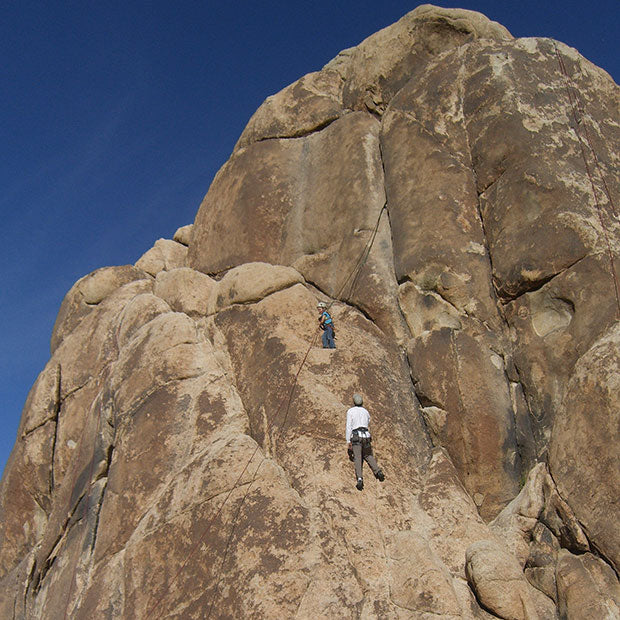
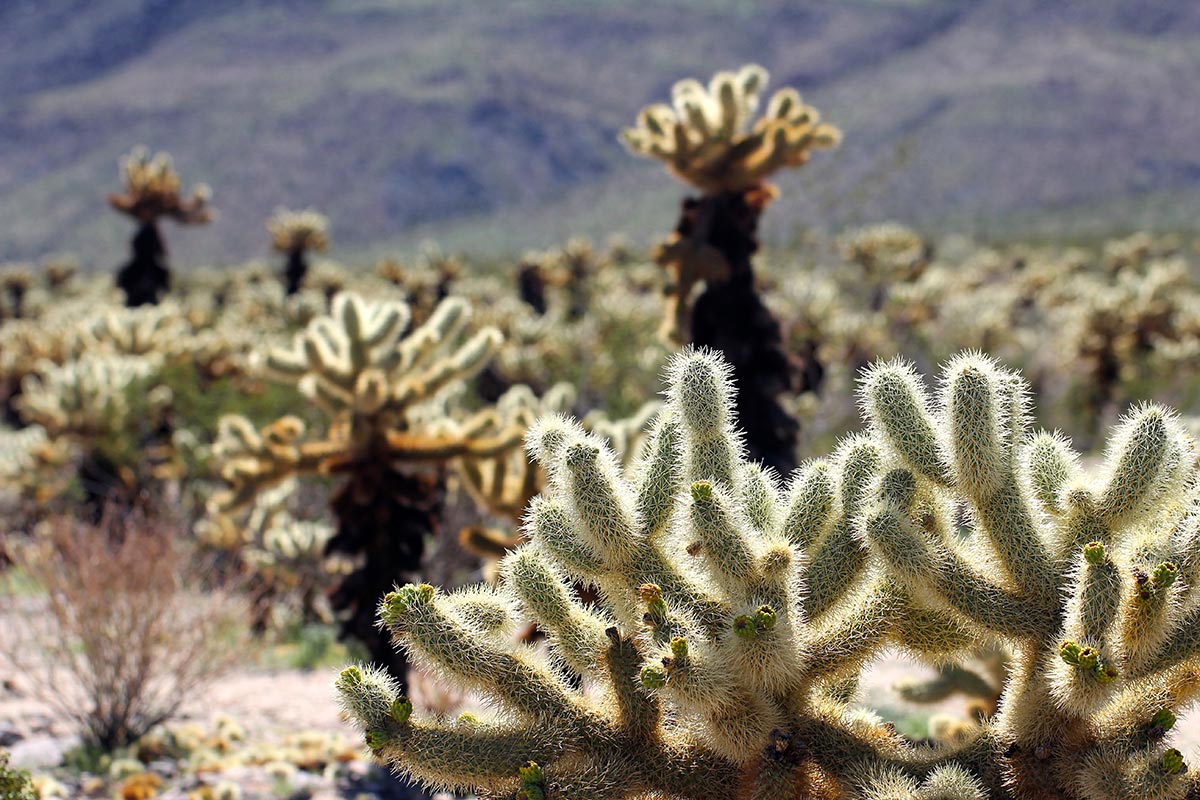
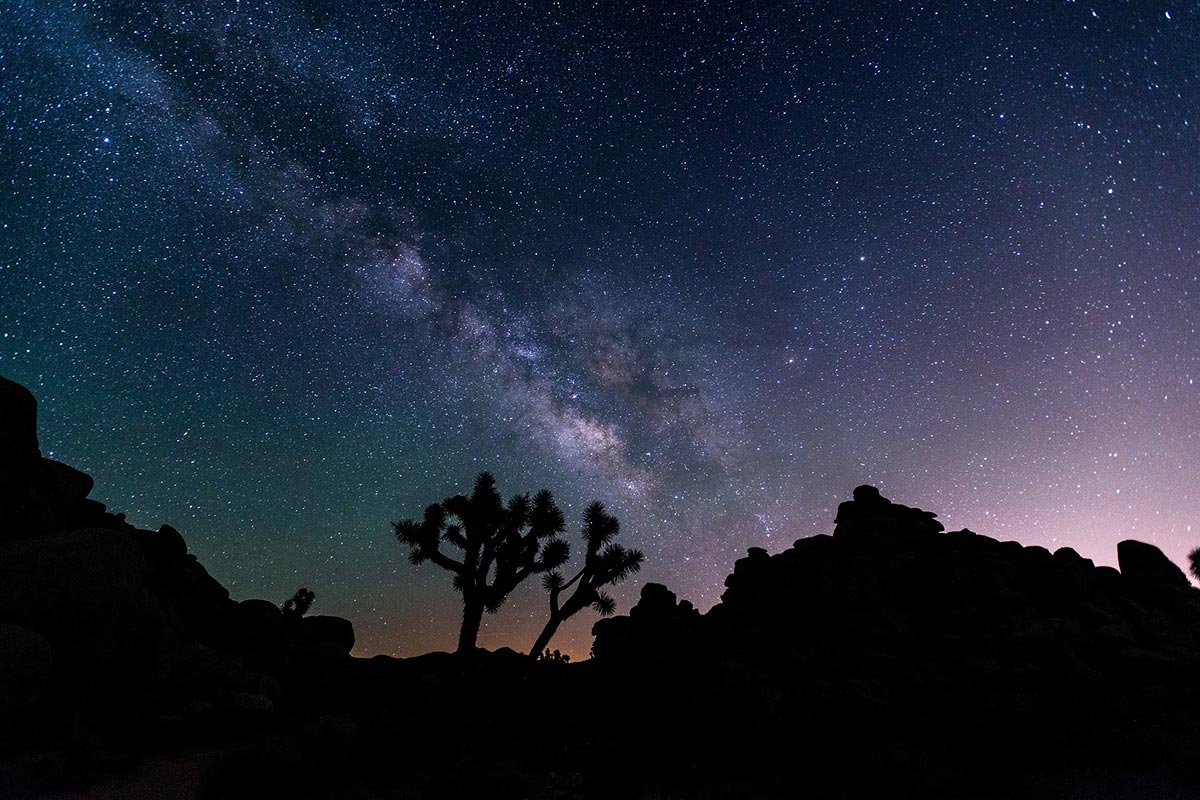
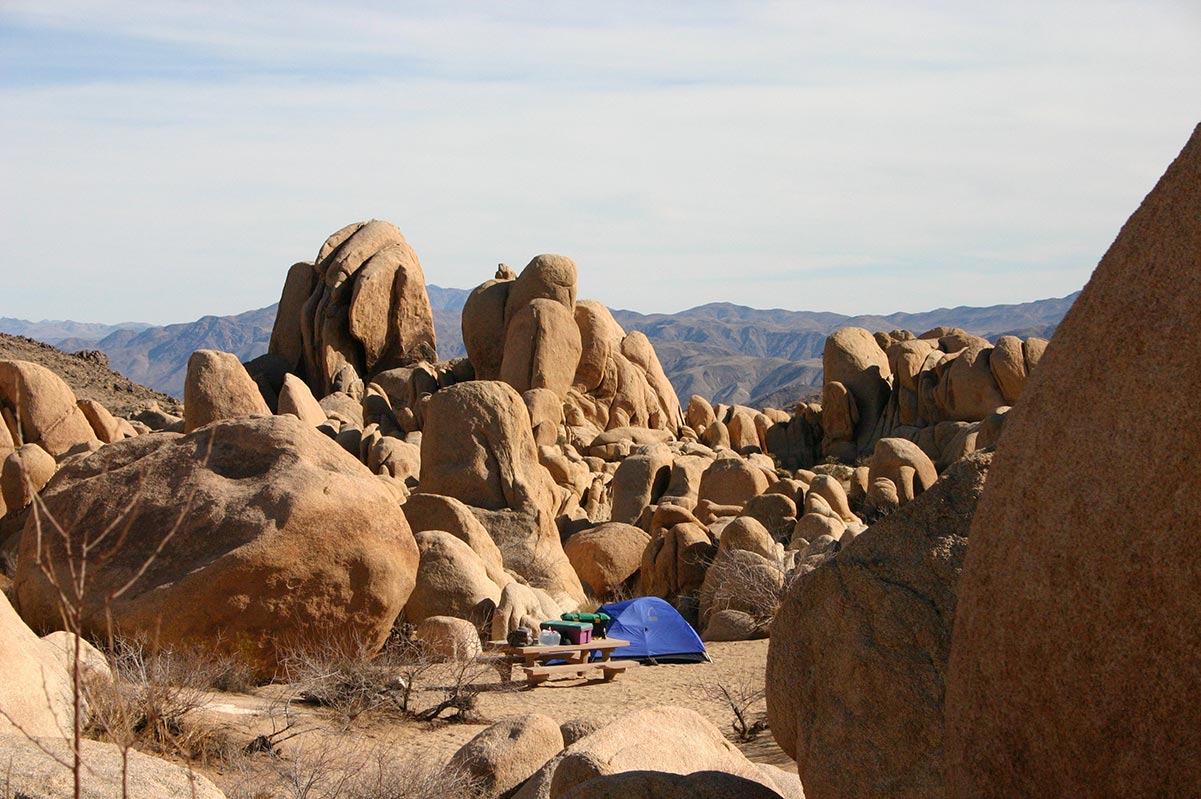
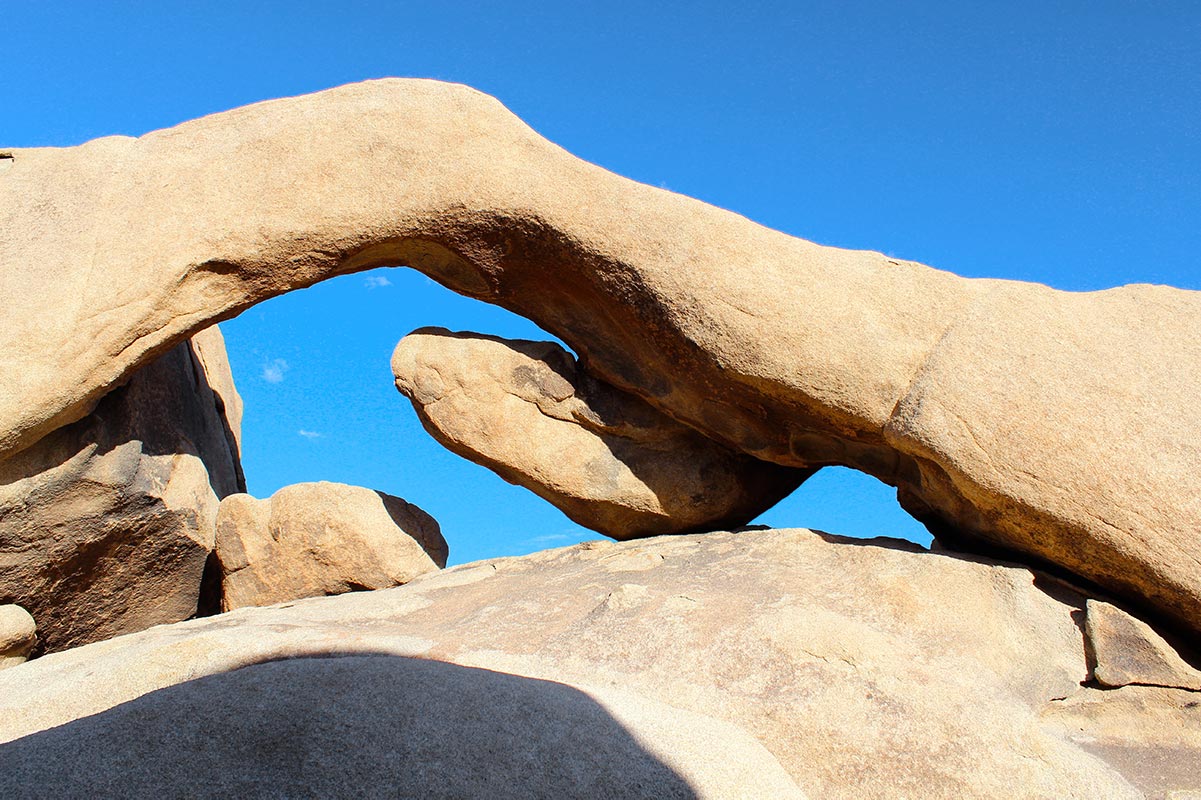
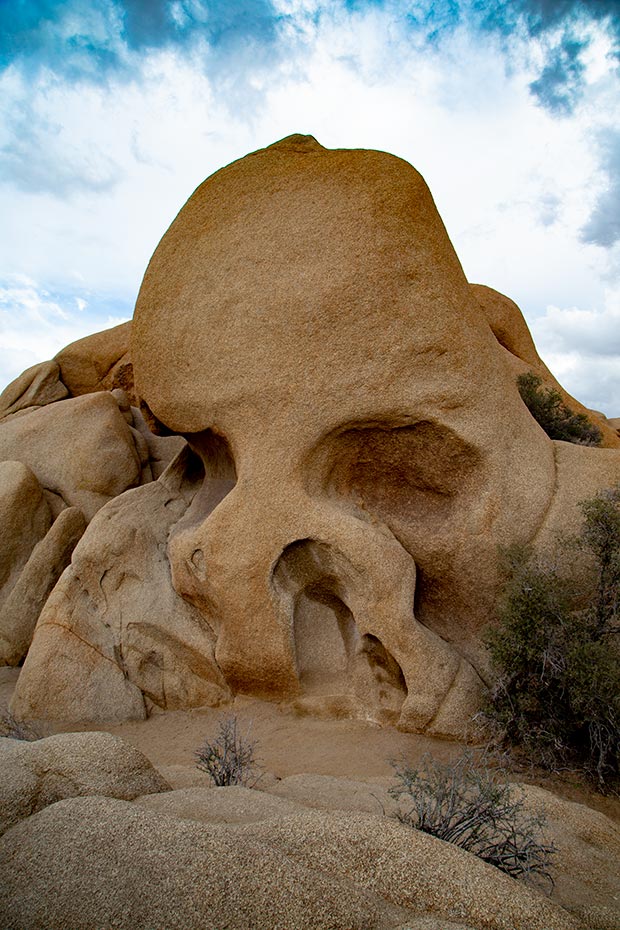
Joshua Tree National Park, California (incorporated Joshua Tree National Monument 1994) |
1936 |
November 14 |
Catoctin Mountain Park, Maryland (renamed from Catoctin Recreational Demonstration Area 1954) |
1936 |
November 14 |
Manassas National Battlefield Park, Virginia (redesignated from Bull Run Recreational Demonstration Area May 10, 1940) |
1936 |
November 14 |
Prince William Forest Park, Virginia (redesignated from Chopawamsic Recreational Demonstration Area 1948) |
1937 |
April 13 |
Organ Pipe Cactus National Monument, Arizona |
1937 |
August 2 |
Capitol Reef National Park, Utah (redesignated from a National Monument 1971) |
1937 |
August 17 |
Cape Hatteras National Seashore, North Carolina |
1937 |
August 25 |
Pipestone National Monument, Minnesota |
1938 |
March 17 |
Salem Maritime National Historic Site, Massachusetts |
1938 |
April 26 |
Channel Islands National Park, California (incorporated Channel Islands National Monument 1980) |
1938 |
June 1 |
Saratoga National Historical Park, New York |
1938 |
July 16 |
Fort Laramie National Historic Site, Wyoming (redesignated from a National Monument 1960) |
1938 |
August 3 |
Hopewell Furnace National Historic Site, Pennsylvania (redesignated from Hopewell Village National Historic Site 1985) |
1938 |
September 23 |
Chesapeake and Ohio Canal, District of Columbia, Maryland, and West Virginia (date acquired; designated a National Monument 1961; incorporated in Chesapeake and Ohio Canal National Historical Park 1971) |
1939 |
May 26 |
Federal Hall National Memorial, New York (redesignated from Federal Hall Memorial National Historic Site 1955) |
1939 |
July 25 |
Tuzigoot National Monument, Arizona |
1939 |
January 25 |
Badlands National Park, South Dakota (redesignated from a National Monument 1978) |
1940 |
June 11 |
Cumberland Gap National Historical Park, Kentucky, Tennessee, and Virginia |
1940 |
December 18 |
Vanderbilt Mansion National Historic Site, New York |
1940 |
August 12 |
Fort Washington Park, Maryland (transferred from War Dept. 1940) |
1941 |
April 5 |
Fort Raleigh National Historic Site, North Carolina |
1943 |
July 14 |
George Washington Carver National Monument, Missouri |
1944 |
January 15 |
Home of Franklin D. Roosevelt National Historic Site, New York |
1944 |
June 30 |
Harpers Ferry National Historical Park, West Virginia (redesignated from a National Monument 1963) |
1946 |
August 12 |
Castle Clinton National Monument, New York |
1946 |
December 9 |
Adams National Historical Park, Massachusetts (originally Adams Mansion National Historic Site; redesignated Adams National Historic Site 1952; redesignated National Historical Park 1998) |
1946 |
December 18 |
Lake Roosevelt National Recreation Area, Washington (administered under cooparative agreement starting 1990; redesignated from Coulee Dam National Recreation Area 1997) |
1947 |
April 25 |
Theodore Roosevelt National Park, North Dakota (authorized Theodore Roosevelt National Memorial Park, redesignated 1978) |
1948 |
April 28 |
Fort Sumter National Monument, South Carolina |
1948 |
June 22 |
Hampton National Historic Site, Maryland |
1948 |
June 28 |
Independence National Historical Park, Pennsylvania (incorporated Independence Hall National Historic Site, designated 1943) |
1948 |
March 11 |
De Soto National Memorial, Florida |
1948 |
June 19 |
Fort Vancouver National Historic Site, Washington (redesignated from a National Monument 1961) |
1949 |
February 14 |
San Juan National Historic Site, Puerto Rico |
1949 |
June 8 |
Saint Croix Island National Monument, Maine (redesignated an International Historic Site 1984) |
1949 |
October 25 |
Effigy Mounds National Monument, Iowa |
1950 |
August 3 |
Greenbelt Park, Maryland |
1950 |
September 21 |
Fort Caroline National Memorial, Florida |
1952 |
March 4 |
Christiansted National Historic Site, Virgin Islands (redesignated from Virgin Islands National Historic Site 1961) |
1952 |
July 9 |
Coronado National Memorial, Arizona |
1954 |
June 28 |
Fort Union National Monument, New Mexico |
1955 |
July 26 |
Pu’uhonua o HÅ,naunau National Historical Park, Hawaii (redesignated from City of Refuge National Historical Park 1978) |
1955 |
December 6 |
Thomas Edison National Historical Park, New Jersey (originally Edison Home National Historic Site; incorporated in Edison National Historic Site 1962; redesignated 2009) |
1956 |
April 2 |
Booker T. Washington National Monument, Virginia |
1956 |
July 20 |
Pea Ridge National Military Park, Arkansas |
1956 |
July 25 |
Horseshoe Bend National Military Park, Alabama |
1956 |
August 2 |
Virgin Islands National Park, Virgin Islands |
1958 |
April 18 |
Glen Canyon National Recreation Area, Utah |
1958 |
May 29 |
Lewis and Clark National Historical Park, Oregon (incorporated Fort Clatsop National Monument October 30, 2004) |
1958 |
August 14 |
General Grant National Memorial, New York |
1958 |
September 2 |
Grand Portage National Monument, Minnesota (designated a National Historic Site 1951) |
1959 |
April 14 |
Minute Man National Historic Site, Massachusetts (redesignated a National Historical Park Sept. 21, 1959) |
1959 |
September 5 |
Franklin Delano Roosevelt Memorial, District of Columbia (dedicated 1997) |
1960 |
April 22 |
Wilson's Creek National Battlefield, Missouri (redesignated from a National Park 1970) |
1960 |
June 3 |
Bent's Old Fort National Historic Site, Colorado |
1960 |
July 6 |
Arkansas Post National Memorial, Arkansas |
1961 |
May 11 |
Russell Cave National Monument, Alabama |
1961 |
August 7 |
Cape Cod National Seashore, Massachusetts |
1961 |
September 8 |
Fort Davis National Historic Site, Texas |
1961 |
September 13 |
Fort Smith National Historic Site, Arkansas |
1961 |
October 4 |
Piscataway Park, Maryland |
1961 |
December 28 |
Buck Island Reef National Monument, Virgin Islands |
1962 |
February 19 |
Lincoln Boyhood National Memorial, Indiana |
1962 |
April 27 |
Hamilton Grange National Memorial, New York |
1962 |
July 25 |
Sagamore Hill National Historic Site, New York |
1962 |
July 25 |
Theodore Roosevelt Birthplace National Historic Site, New York |
1962 |
September 5 |
Frederick Douglass National Historic Site, District of Columbia (redesignated from Frederick Douglass Home 1988) |
1962 |
September 13 |
Point Reyes National Seashore, California |
1962 |
September 28 |
Padre Island National Seashore, Texas |
1964 |
August 27 |
Ozark National Scenic Riverways, Missouri |
1964 |
August 30 |
Fort Bowie National Historic Site, Arizona |
1964 |
August 31 |
Fort Larned National Historic Site, Kansas |
1964 |
August 31 |
Allegheny Portage Railroad National Historic Site, Pennsylvania |
1964 |
August 31 |
Johnstown Flood National Memorial, Pennsylvania |
1964 |
August 31 |
Saint-Gaudens National Historic Site, New Hampshire |
1964 |
August 31 |
John Muir National Historic Site, California |
1964 |
September 11 |
Fire Island National Seashore, New York |
1964 |
September 12 |
Canyonlands National Park, Utah |
1964 |
October 8 |
Lake Mead National Recreation Area |
1965 |
February 11 |
Curecanti National Recreation Area, Colorado |
1965 |
March 15 |
Lake Meredith National Recreation Area, Texas (name changed from Sanford National Recreation Area, 1972; redesignated Nov. 28, 1990) |
1965 |
May 15 |
Nez Perce National Historical Park, Idaho |
1965 |
June 5 |
Agate Fossil Beds National Monument, Nebraska |
1965 |
June 28 |
Pecos National Historical Park, New Mexico (incorporated Pecos National Monument June 27, 1990) |
1965 |
July 30 |
Golden Spike National Historic Site, Utah (designated 1957) |
1965 |
August 12 |
Herbert Hoover National Historic Site, Iowa |
1965 |
August 21 |
Alibates Flint Quarries National Monument, Texas (formerly Alibates Flint Quarries and Texas Panhandle Pueblo Culture National Monument, redesignated 1978) |
1965 |
August 28 |
Hubbell Trading Post National Historic Site, Arizona |
1965 |
September 1 |
Delaware Water Gap National Recreation Area, Pennsylvania |
1965 |
September 21 |
Assateague Island National Seashore, Maryland |
1965 |
October 22 |
Roger Williams National Memorial, Rhode Island |
1965 |
November 11 |
Amistad National Recreation Area, Texas (redesignated 1990) |
1965 |
November 8 |
Whiskeytown-Shasta-Trinity National Recreation Area, California (Whiskeytown Unit) |
1966 |
March 10 |
Cape Lookout National Seashore, North Carolina |
1966 |
June 20 |
Fort Union Trading Post National Historic Site, Montana and North Dakota |
1966 |
June 30 |
Chamizal National Memorial, Texas |
1966 |
July 23 |
George Rogers Clark National Historical Park, Indiana |
1966 |
September 9 |
San Juan Island National Historical Park, Washington |
1966 |
October 15 |
Bighorn Canyon National Recreation Area, Montana and Wyoming |
1966 |
October 15 |
Guadalupe Mountains National Park, Texas |
1966 |
October 15 |
Pictured Rocks National Lakeshore, Michigan |
1966 |
October 15 |
Wolf Trap National Park for the Performing Arts, Virginia |
1966 |
November 2 |
Theodore Roosevelt Inaugural National Historic Site, New York |
1966 |
November 5 |
Indiana Dunes National Lakeshore, Indiana |
1967 |
May 26 |
John Fitzgerald Kennedy National Historic Site, Massachusetts |
1967 |
November 27 |
Eisenhower National Historic Site, Pennsylvania |
1968 |
April 5 |
Saugus Iron Works National Historic Site, Massachusetts |
1968 |
October 2 |
Saint Croix National Scenic Riverway, Wisconsin |
1968 |
October 2 |
Appalachian National Scenic Trail, Maine |
1968 |
October 2 |
Lake Chelan National Recreation Area, Washington |
1968 |
October 2 |
North Cascades National Park, Washington |
1968 |
October 2 |
Redwood National Park, California |
1968 |
October 2 |
Ross Lake National Recreation Area, Washington |
1968 |
October 17 |
Carl Sandburg Home National Historic Site, North Carolina |
1968 |
October 18 |
Biscayne National Park, Florida (incorporated Biscayne National Monument 1980) |
1969 |
August 20 |
Florissant Fossil Beds National Monument, Colorado |
1969 |
December 2 |
Lyndon B. Johnson National Historical Park, Texas (redesignated from a National Historic Site 1980) |
1969 |
December 2 |
William Howard Taft National Historic Site, Ohio |
1970 |
September 26 |
Apostle Islands National Lakeshore, Wisconsin |
1970 |
October 16 |
Fort Point National Historic Site, California |
1970 |
October 16 |
Andersonville National Historic Site, Georgia |
1970 |
October 21 |
Sleeping Bear Dunes National Lakeshore, Michigan |
1971 |
January 8 |
Voyageurs National Park, Minnesota |
1971 |
January 8 |
Chesapeake and Ohio Canal National Historical Park, District of Columbia, Maryland, and West Virginia (incorporated Chesapeake and Ohio Canal National Monument) |
1971 |
January 8 |
Gulf Islands National Seashore, Florida and Mississippi |
1971 |
August 18 |
Lincoln Home National Historic Site, Illinois |
1972 |
March 1 |
Buffalo National River, Arkansas |
1972 |
August 17 |
Pu`ukoholÄ, Heiau National Historic Site, Hawaii |
1972 |
August 25 |
Grant-Kohrs Ranch National Historic Site, Montana |
1972 |
August 25 |
John D. Rockefeller, Jr., Memorial Parkway, Wyoming |
1972 |
October 9 |
Longfellow House – Washington’s Headquarters National Historic Site, Massachusetts (redesignated from Longfellow National Historic Site 2010) |
1972 |
October 21 |
Hohokam Pima National Monument, Arizona |
1972 |
October 21 |
Thaddeus Kosciuszko National Memorial, Pennsylvania |
1972 |
October 23 |
Fossil Butte National Monument, Wyoming |
1972 |
October 23 |
Cumberland Island National Seashore, Georgia |
1972 |
October 27 |
Gateway National Recreation Area, New York |
1972 |
October 27 |
Golden Gate National Recreation Area, California |
1973 |
December 28 |
Lyndon Baines Johnson Memorial Grove on the Potomac, District of Columbia |
1974 |
March 7 |
Big South Fork National River and Recreation Area, Tennessee |
1974 |
August 1 |
Constitution Gardens, District of Columbia |
1974 |
October 1 |
Boston National Historical Park, Massachusetts |
1974 |
October 11 |
Big Thicket National Preserve, Texas |
1974 |
October 11 |
Big Cypress National Preserve, Florida |
1974 |
October 26 |
Knife River Indian Villages National Historic Site, North Dakota |
1974 |
October 26 |
Clara Barton National Historic Site, Maryland |
1974 |
October 26 |
Martin Van Buren National Historic Site, New York |
1974 |
October 26 |
Springfield Armory National Historic Site, Massachusetts |
1974 |
October 26 |
Tuskegee Institute National Historic Site, Alabama |
1975 |
October 8 |
John Day Fossil Beds National Monument, Oregon |
1975 |
January 3 |
Canaveral National Seashore, Florida |
1975 |
June 26 |
Cuyahoga Valley National Park, Ohio (redesignated from a National Recreation Area 2000) |
1976 |
June 30 |
Klondike Gold Rush National Historical Park, Alaska and Washington |
1976 |
July 4 |
Valley Forge National Historical Park, Pennsylvania |
1976 |
August 19 |
Ninety Six National Historic Site, South Carolina |
1976 |
October 12 |
Obed WSR, Tennessee |
1976 |
October 18 |
Eugene O'Neill National Historic Site, California |
1976 |
October 18 |
Congaree National Park, South Carolina (redesignated from a National Monument 2003) |
1977 |
May 26 |
Eleanor Roosevelt National Historic Site, New York |
1978 |
June 5 |
Lowell National Historical Park, Massachusetts |
1978 |
August 15 |
War in the Pacific National Historical Park, Guam |
1978 |
August 15 |
Chattahoochee National Recreation Area, Georgia |
1978 |
October 19 |
Fort Scott National Historic Site, Kansas |
1978 |
November 10 |
Palo Alto Battlefield National Historical Park, Texas (redesignated from a National Historic Site 2009) |
1978 |
November 10 |
Rio Grande WSR, Texas |
1978 |
November 10 |
San Antonio Missions National Historical Park, Texas |
1978 |
November 10 |
Missouri National Recreational River, Nebraska |
1978 |
November 10 |
Edgar Allan Poe National Historic Site, Pennsylvania |
1978 |
November 10 |
Friendship Hill National Historic Site, Pennsylvania |
1978 |
November 10 |
Maggie L. Walker National Historic Site, Virginia |
1978 |
November 10 |
Middle Delaware National Scenic River, Pennsylvania |
1978 |
November 10 |
New River Gorge National River, West Virginia |
1978 |
November 10 |
Saint Paul's Church National Historic Site, New York (designated 1943) |
1978 |
November 10 |
Thomas Stone National Historic Site, Maryland |
1978 |
November 10 |
Upper Delaware Scenic and Recreational River, Pennsylvania |
1978 |
November 10 |
Ebey's Landing National Historical Reserve, Washington |
1978 |
November 10 |
Kaloko-Honokohau National Historical Park, Hawaii |
1978 |
November 10 |
Santa Monica Mountains National Recreation Area, California |
1978 |
December 1 |
Aniakchak National Monument and Aniakchak National Preserve, Alaska (originally Aniakchak National Monument; designated National Monument and National Preserve by ANILCA 1980) |
1978 |
December 1 |
Bering Land Bridge National Preserve, Alaska (redesignated from a National Monument by ANILCA 1980) |
1978 |
December 1 |
Cape Krusenstern National Monument, Alaska |
1978 |
December 1 |
Gates of the Arctic National Park and Gates of the Arctic National Preserve, Alaska (originally a National Monument; redesignated by ANILCA 1980) |
1978 |
December 1 |
Kenai Fjords National Park, Alaska (redesignated from a National Monument by ANILCA 1980) |
1978 |
December 1 |
Kobuk Valley National Park, Alaska (redesignated from a National Park by ANILCA 1980) |
1978 |
December 1 |
Lake Clark National Park and Lake Clark National Preserve, Alaska (originally a National Monument; redesignated by ANILCA 1980) |
1978 |
December 1 |
Noatak National Preserve, Alaska (incorporated Noatak National Monument by ANILCA 1980) |
1978 |
December 1 |
Wrangell-St. Elias National Park and Wrangell-St. Elias National Preserve, Alaska (incorporated Wrangell-St. Elias National Monument by ANILCA 1980) |
1978 |
December 1 |
Yukon-Charley Rivers National Preserve, Alaska (redesignated from Yukon-Charley National Monument by ANILCA 1980) |
1979 |
October 12 |
Frederick Law Olmsted National Historic Site, Massachusetts |
1980 |
September 9 |
World War II Valor in the Pacific National Monument, Hawaii (incorp. USS Arizona Memorial 2008) |
1980 |
July 1 |
Vietnam Veterans Memorial, District of Columbia (dedicated 1982) |
1980 |
October 10 |
Boston African American National Historic Site, Massachusetts |
1980 |
October 10 |
Martin Luther King, Junior, National Historic Site, Georgia |
1980 |
December 2 |
Alagnak Wild River, Alaska |
1980 |
December 19 |
Salinas Pueblo Missions National Monument, New Mexico (proclaimed Gran Quivira National Monument 1909; renamed Salinas National Monument 1980, renamed 1988) |
1980 |
December 22 |
Kalaupapa National Historical Park, Hawaii |
1980 |
December 28 |
James A. Garfield National Historic Site, Ohio |
1980 |
December 28 |
Women's Rights National Historical Park, New York |
1983 |
March 28 |
Potomac Heritage National Scenic Trail, District of Columbia, Maryland, Pennsylvania, and Virginia |
1983 |
March 28 |
Natchez Trace National Scenic Trail, Mississippi |
1983 |
May 23 |
Harry S Truman National Historic Site, Missouri (designated 1982) |
1986 |
October 28 |
Korean War Veterans Memorial, District of Columbia (dedicated 1995) |
1986 |
October 30 |
Steamtown National Historic Site, Pennsylvania |
1987 |
September 30 |
Pennsylvania Avenue National Historic Site, District of Columbia (designated 1965) |
1987 |
December 23 |
Jimmy Carter National Historic Site, Georgia |
1987 |
December 31 |
El Malpais National Monument, New Mexico |
1988 |
February 16 |
Timucuan Ecological and Historic Preserve, Florida |
1988 |
June 27 |
San Francisco Maritime National Historical Park, California (formerly part of Golden Gate National Recreation Area) |
1988 |
September 8 |
Charles Pinckney National Historic Site, South Carolina |
1988 |
October 7 |
Natchez National Historical Park, Mississippi |
1988 |
October 31 |
National Park of American Samoa, American Samoa |
1988 |
October 31 |
Poverty Point National Monument, Louisiana |
1988 |
November 18 |
Mississippi National River and Recreation Area, Minnesota |
1988 |
November 18 |
City of Rocks National Reserve, Idaho |
1988 |
November 18 |
Hagerman Fossil Beds National Monument, Idaho |
1988 |
December 26 |
Bluestone National Scenic River, West Virginia |
1988 |
December 26 |
Gauley River National Recreation Area, West Virginia |
1989 |
October 2 |
Ulysses S. Grant National Historic Site, Missouri |
1990 |
June 27 |
Petroglyph National Monument, New Mexico |
1990 |
October 31 |
Weir Farm National Historic Site, Connecticut |
1991 |
May 24 |
Niobrara National Scenic River, Nebraska |
1991 |
December 11 |
Mary McLeod Bethune Council House National Historic Site, District of Columbia (designated 1982) |
1992 |
February 24 |
Salt River Bay National Historical Park and Ecological Preserve, Virgin Islands |
1992 |
March 3 |
Manzanar National Historic Site, California |
1992 |
August 26 |
Marsh-Billings National Historical Park, Vermont (redesignated Marsh-Billings-Rockefeller National Historical Park 1998) |
1992 |
October 16 |
Dayton Aviation Heritage National Historical Park, Ohio |
1992 |
October 21 |
Little River Canyon National Preserve, Alabama |
1992 |
October 26 |
Brown v. Board of Education National Historic Site, Kansas |
1992 |
October 27 |
Keweenaw National Historical Park, Michigan |
1992 |
October 27 |
Great Egg Harbor Scenic and Recreational River, New Jersey |
1992 |
October 26 |
Dry Tortugas National Park, Florida (proclaimed Fort Jefferson National Monument 1935) |
1994 |
October 31 |
Mojave National Preserve, California |
1994 |
October 31 |
New Orleans Jazz National Historical Park, Louisiana |
1994 |
November 2 |
Cane River Creole National Historical Park, Louisiana |
1996 |
November 12 |
Washita Battlefield National Historic Site, Oklahoma |
1996 |
November 12 |
Nicodemus National Historic Site, Kansas |
1996 |
November 12 |
Tallgrass Prairie National Preserve, Kansas |
1996 |
November 12 |
Boston Harbor Islands National Recreation Area, Massachusetts |
1996 |
November 12 |
New Bedford Whaling National Historical Park, Massachusetts |
1998 |
November 6 |
Little Rock Central High School National Historic Site, Arkansas |
1998 |
November 6 |
Tuskegee Airmen National Historic Site, Alabama |
1999 |
November 29 |
Minuteman Missile National Historic Site, South Dakota |
2000 |
October 11 |
First Ladies National Historic Site, Ohio |
2000 |
October 24 |
Rosie the Riveter WWII Home Front National Historical Park, California |
2001 |
January 17 |
Virgin Islands Coral Reef National Monument, Virgin Islands |
2001 |
January 19 |
Governors Island National Monument, New York |
2001 |
September 19 |
Minidoka National Historic Site, Idaho (established Minidoka Internment National Monument August 1942; redesignated Minidoka National Historic Site 2008 |
2002 |
September 24 |
Flight 93 National Memorial, Pennsylvania |
2002 |
December 19 |
Cedar Creek & Belle Grove National Historical Park, Virginia |
2004 |
May 29 |
World War II Memorial, District of Columbia (authorized May 25, 1993) |
2006 |
February 27 |
Carter G. Woodson Home National Historic Site, District of Columbia |
2006 |
February 27 |
African Burial Ground National Monument, New York |
2007 |
April 27 |
Sand Creek Massacre National Historic Site, Colorado |
2009 |
October 28 |
Port Chicago Naval Magazine National Memorial, California |
2010 |
October 22 |
River Raisin National Battlefield Park, Michigan |
2010 |
December 14 |
President William Jefferson Clinton Birthplace Home National Historic Site, Arkansas |
2011 |
August 28 |
Martin Luther King, Jr. Memorial, District of Columbia |
2011 |
November 1 |
Fort Monroe National Monument, Virginia |
2011 |
November 7 |
Paterson Great Falls National Historical Park, New Jersey |
2012 |
October 8 |
Caesar Chavez National Monument, California |
2013 |
March 25 |
Charles Young Buffalo Soldiers National Monument, Ohio |
2013 |
March 25 |
First State National Historical Park, Delaware (originally a National Monument; rededicated a National Historical Park in 2014) |
2013 |
March 25 |
Harriet Tubman Underground Railroad National Historical Park, Maryland (originally a National Monument; rededicated a National Historical Park in 2014) |
2014 |
December 19 |
Blackstone River Valley National Historical Park, Massachusetts and Rhode Island |
2014 |
December 19 |
Tule Springs Fossil Beds National Monument, Nevada |
2014 |
December 19 |
Valles Caldera National Preserve, New Mexico |
2014 |
December 19 |
World War I Memorial, District of Columbia |
2015 |
February 19 |
Pullman National Monument, Illinois |
2015 |
February 24 |
Honouliuli National Monument, Hawaii |
2015 |
July 10 |
Waco Mammoth National Monument, Texas |
2015 |
November 10 |
Manhattan Project National Historical Park, New Mexico, Washington, and Tennesee |
2016 |
February 12 |
Castle Mountains National Monument, California |
2016 |
April 12 |
Belmont-Paul Women's Equality National Monument, District of Columbia |
2016 |
June 24 |
Stonewall National Monument, New York |
2016 |
August 24 |
Katahdin Woods and Waters National Monument, Maine |
2017 |
January 10 |
Harriet Tubman National Historical Park, New York |
2017 |
January 13 |
Birmingham Civil Rights National Monument, Alabama |
2017 |
January 13 |
Freedom Riders National Monument, Alabama |
2017 |
January 13 |
Reconstruction Era National Monument, South Carolina |
2018 |
February 22 |
Gateway Arch National Park, Missouri |
2018 |
October 26 |
Camp Nelson National Monument, Kentucky |
2019 |
February 15 |
Indiana Dunes National Park, Indiana |
2019 |
March 12 |
Pearl Harbor National Memorial, Hawaii |
2019 |
March 12 |
Tule Lake National Monument, California |
2019 |
December 20 |
White Sands National Park, New Mexico |