Saturday, November 23, 2019

7 Amazing Holiday Gifts for the National Park Lover on your List!


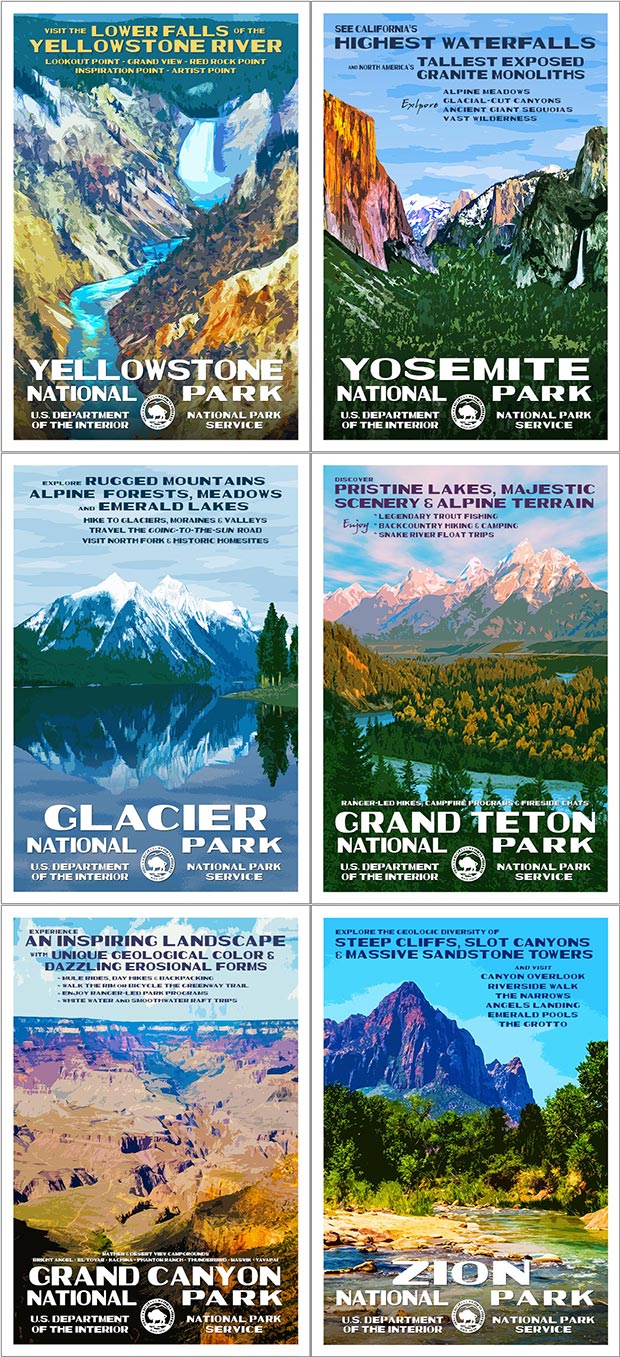
Inspired by the iconic WPA artwork of the 1930s and 40s, our National Park posters are designed to celebrate our American heritage. Each numbered, signed and dated poster is printed on “Conservation,” a 100% recycled stock with soy based inks. From start to finish, these vintage-style posters are 100% American Made!


Perfect for the National Park Lover on Your Holiday Gift List!!!


Limited Edition National Park Posters


Yellowstone National Park | National Park Posters


WPA-Style Posters of Your Favorite National Park. Inspired by the iconic WPA artwork of the 1930s and 40s, our National Park posters are designed to celebrate our American heritage. Each numbered, signed and dated poster is printed on “Conservation,” a 100% recycled stock with soy based inks. From start to finish, these posters are 100% American Made! Posters are 13" x 19".


$40.00    Click Here to See the Posters


Artist Proofs


Grand Teton National Park Artist Proof


These Limited Edition prints are in High Demand! Artist Proofs are the first 25 posters pulled from each print run, are numbered 1-25, and are dated and signed. They feature the color bars used by the pressman to make sure registration and colors stay consistent throughout the print run and are 13" x 20". My signature attests that I have personally inspected and approved each print — and further verified that no unsigned or unnumbered copies within the limited edition are known to exist.


$55.00    Click Here to See the Artist Proofs


State, Regional & Annual Collections


Artist Pick Collection | National Park Posters


From the original Kickstarter Collection -- to the State, Regional and Annual Collections, you can select from 2 - 12 of your favorite posters and get deep discounts! These collections make the perfect holiday gift for the national park lover on your list! They are the perfect way to bring their favorite National Parks into their home or office. All posters are numbered, signed and dated.


$60.00 - $255.00    Click Here to See all the Collections


Worth Protecting Stickers


Worth Protecting Sticker


Awesome stocking stuffers! The Worth Protecting sticker is 3″ x 4″ and printed on white polypropylene with a UV laminate. The sticker is based off of the ever-so-popular “Worth Protecting” poster, created in the style of the Works Progress Administration (WPA). Stickers can be slapped on outdoor gear, vehicles and more for people to voice their desire to protect America's National Parks. For indoor or outdoor use!


$5.95    Click Here to See the Worth Protecting Stickers


Postcard Sets 


National Park Postcards Framed


Limited on wall space? Postcards are the perfect solution. Just find a frame for 4" x 6" photo prints, and you can make a custom display of your favorite parks! Postcards are also great for sending to friends, use in PostCrossings, Save the Date or other announcements!


$18.00     Click Here to See the Postcards


America's National Parks Map


The ultimate bucket list! A great way to mark off the national parks you've already visited, or those you dream about seeing! This 19" x 13" map features all 61 of America's National Parks!


$30.00    Click Here to See the Map


National Parks Typography Poster


The U.S. National Parks Typography Poster is an original work by Robert Decker. It features the names of all 61 National Parks — all in the shape of the United States! The name of each park is styled in the classic 1935 National Park font, giving it a retro look-and-feel.


$30.00    Click Here to See the Poster


Source: https://national-park-posters.com/blogs/national-park-posters/7-amazing-holiday-gifts-for-the-national-park-lover-on-your-list

attachement

Tuesday, November 12, 2019

Best Things To Do In Grand Teton National Park


Known for its winding Snake River, miles of hiking trails, lakes and abundant wildlife, Grand Teton National Park is a perfect travel destination. Grand Teton National Park has something for everyone -- like Jenny Lake, the Craig Thomas Discovery & Visitor Center, and historic settlements like Menors Ferry and Mormon Row. If you're adventurous and enjoy climbing, hiking, wildlife watching and touring, or if you just want to take in some of the most spectacular scenery in the world -- this is a perfect place for you.


I'm a photographer and outdoor enthusiast and have been to more than 50 of our amazing national parks — including Grand Teton. I've explored many areas of the park — so I'm ready to help! Whether this is your first time to Grand Teton, or if you are returning after many years and would like to be re-introduced to the park — this list of the best things to do is just for you!


JUST A QUICK NOTE: Both Grand Teton National Park posters (shown below) are 90th Anniversary Limited Edition prints. Both are quite popular, and will likely sell out this holiday season. These Limited Edition posters will not be re-printed, so please order yours before they are gone forever! They also make great gifts for the Grand Teton National Park lover on your holiday list!!!


Wildlife Viewing


Grand Teton National Park | National Park Posters


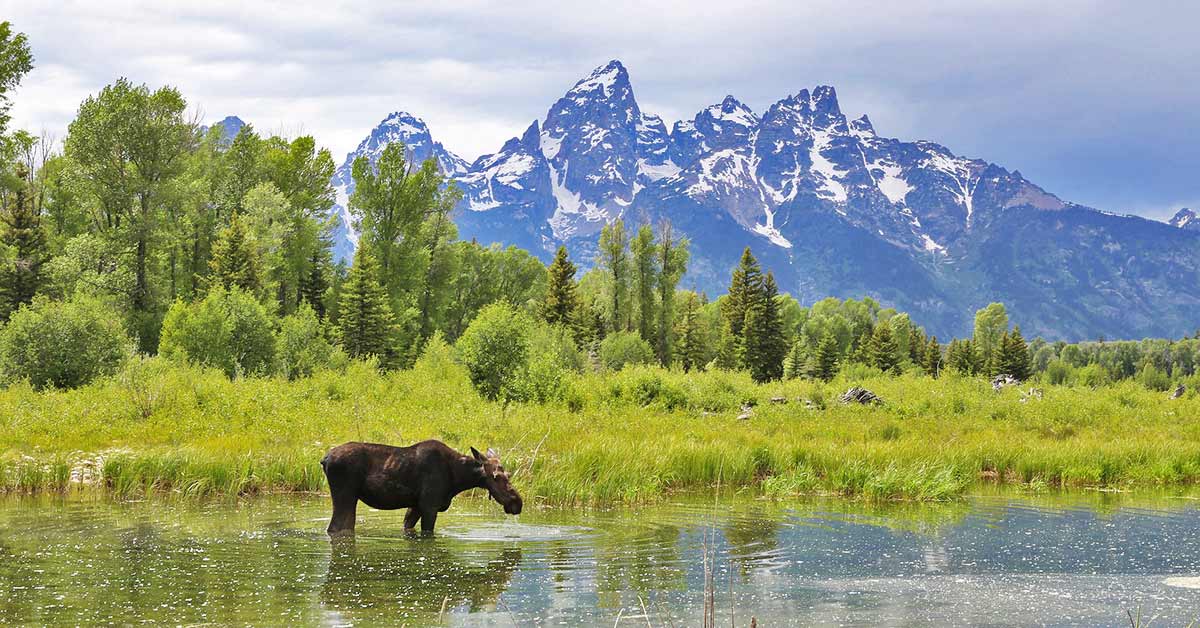
Grand Teton's wildlife viewing regularly ranks among the best in the United States. Bears, bison, elk, pronghorns, eagles, and more are regularly seen in the park. Want to see bears? These places change regularly, so just ask at a visitor center or activity desk once you're there. The Jackson Lake Lodge Activity Desk tracks the latest wildlife observations. Some of the best places are Willow Flats in front of the Jackson Lake Lodge, at Oxbow Bend or Elk Ranch Flats.


Take a Scenic Drive


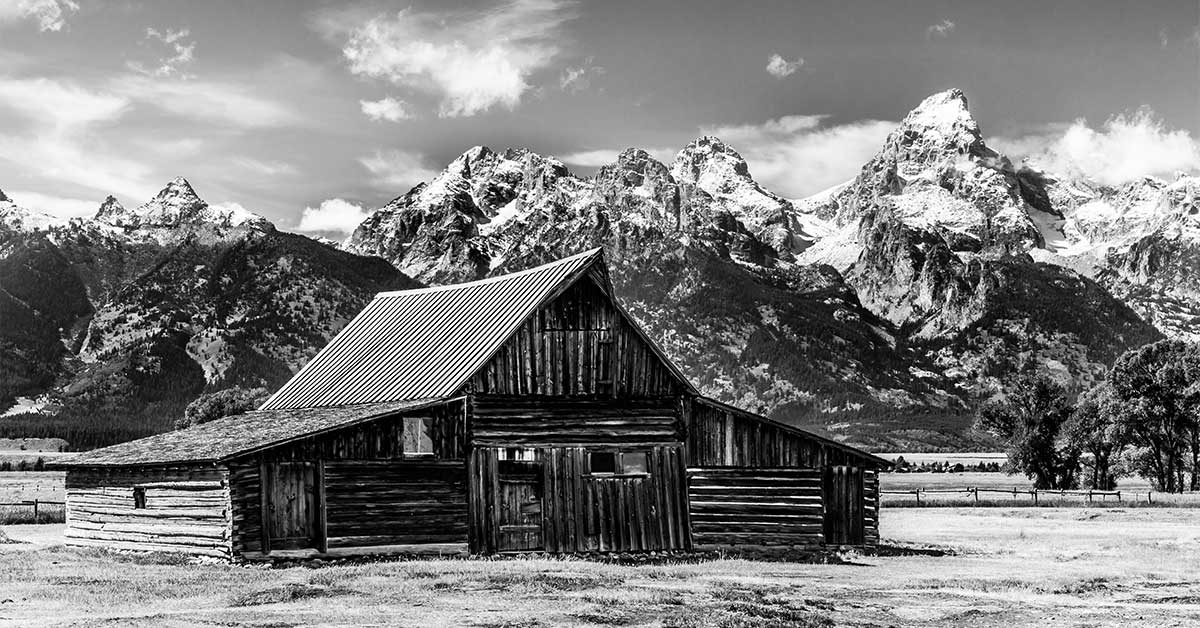
Mormon Row, Grand Teton National Park


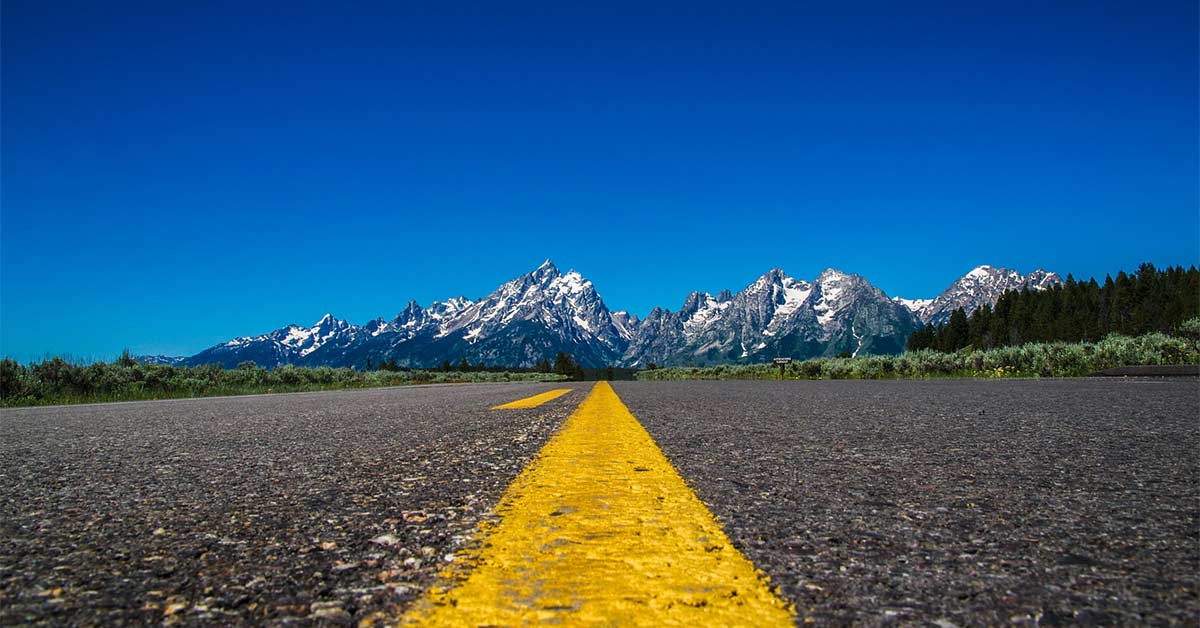
There are many places to take in the spectacular and epic views -- and you can do it on Grand Teton National Park's 42 Mile Scenic Loop Drive! If you're short on time or wanting an easier way to see many of the diverse scenic landscapes of the park, then this might be a great way for you to see the park. The loop consists of Teton Park Road, Jenny Lake Scenic Drive and Route 89. On this route you can visit Jenny Lake, the Craig Thomas Visitor Center in Moose, Schwabacher's Landing, Snake River Overlook, Cunningham's Cabin, Oxbow Bend, Signal Mountain Summit Road and more. Get that engine going for the ride of a lifetime!


Go Fishing


Oxbow Bend, Grand Teton National Park


Grand Teton National Park is world-renowned for it's amazing fishing. Rivers, lakes and ponds sparkle on the landscape and you can fish for cutthroat trout (named for the red slash under the lower jaw), the Utah chub in warm, shallow, slow-moving water or the mountain whitefish, which prefers cold, deep, fast-moving water. Fishing is a great way to have fun while experiencing the park's beauty. From Jenny Lake to the Snake River to Jackson Lake there are many opportunities for fishing -- and you can choose between a guided fishing trips or solo adventures.


Hike the Grand Teton Trails


With more than 200 miles of trails for hiking, Grand Teton National Park provides the perfect opportunity for those who want to get out and experience the most beautiful lakes, towering peaks, and stunning scenery up close. Rugged landscapes and sudden weather changes sometimes can bring on unexpected challenges, but with them come amazing views! Grand Teton National Park hosts numerous trails for all kinds of hikers -- beginners and experts alike. From easy, short hikes like Hidden Falls or Inspiration Point to more challenging ones like Death Canyon and Cascade Canyon -- there's a wide choice, but none will disappoint!


Enjoy Horseback Riding


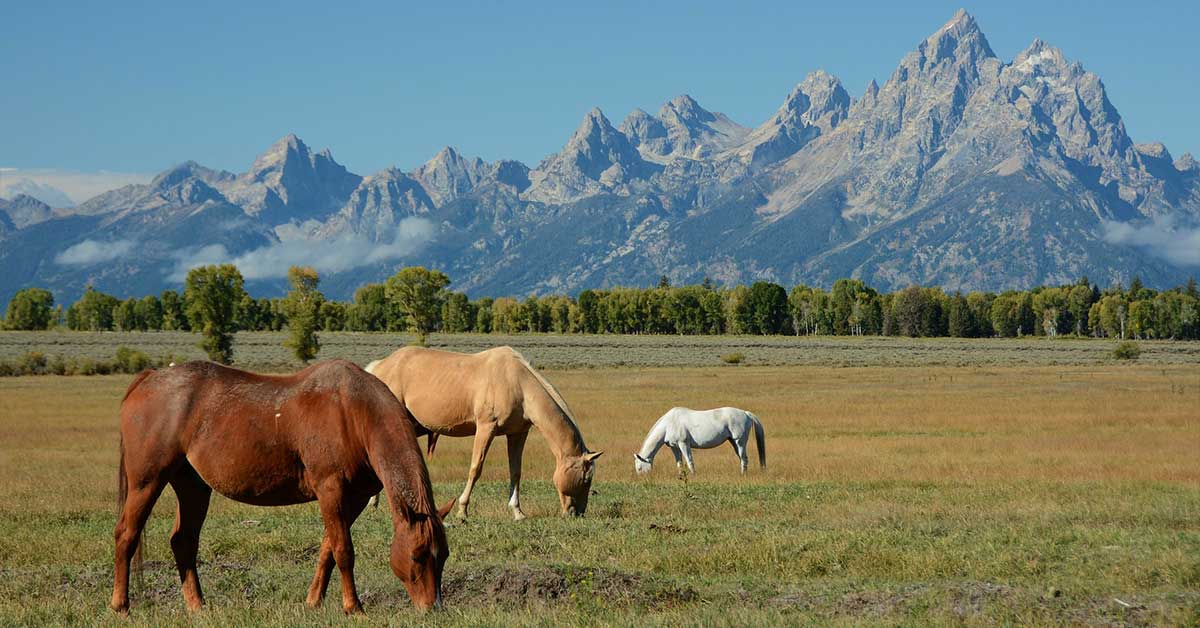
Horseback Riding, Grand Teton National Park


One of the best alternatives for hiking -- and a unique way to soak up those breathtaking views -- is to saddle up and spend an amazing morning or afternoon on horseback. Horseback riding is a great way to simply take it slow and let the joy and scenic views fill your soul. Horseback rides starting at Jackson Lake Lodge let you spend a morning or afternnon in the Grand Tetons -- and enjoy the same view as the early explorers. The Jackson Lake Lodge offers one-hour and two-hour horseback riding with breathtaking views of the Teton Range, Oxbow Bend, and the Snake River.


Conquer the Mountains with Climbing


The famous Grand Teton mountain range has been luring countless visitors and climbers from all over the world for generations. The park presents opportunities to conquer these magnificent peaks -- or just to learn more about the sport of rock climbing. While the experienced climbers are rubbing their hands together for an opportunity to reach the sky by climbing these iconic peaks, other groups like families, kids, and inexperienced climbers shouldn't shy away from participating. Various guides and experienced climbers are here to offer guided climbs, classes and easy daily climbs!


Engage in Water Activities


Boating, Grand Teton National Park


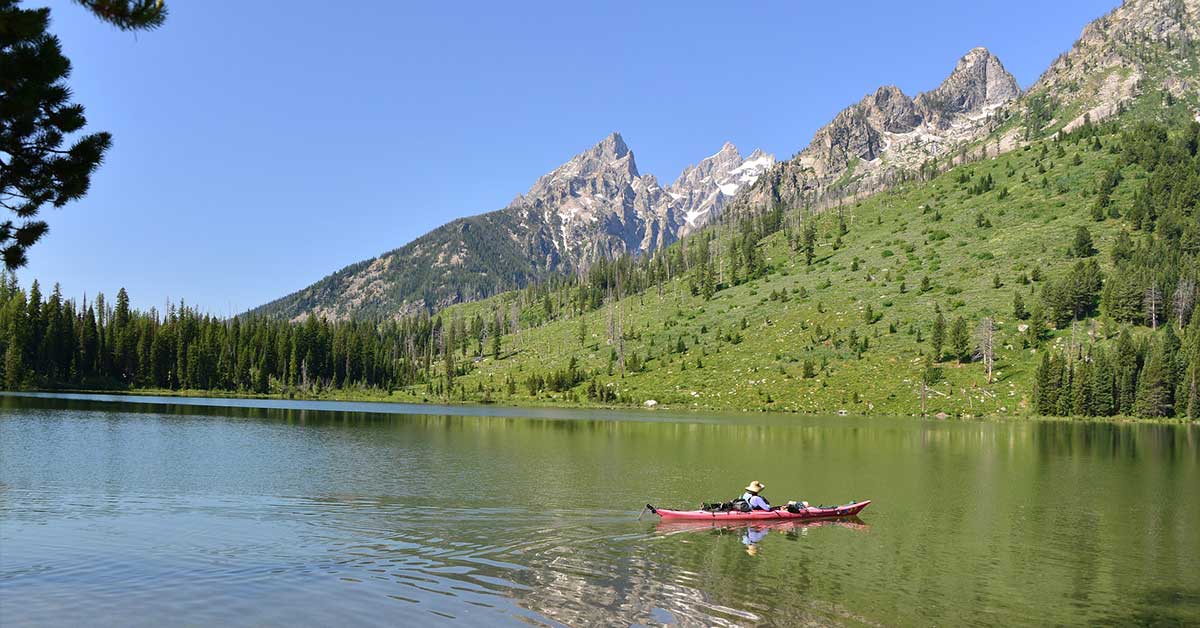
With all those enchanting lakes and beautiful rivers flowing through the park, most of these waterways of wilderness are accessible for travelers and visitors. One of the most popular, Jackson Lake, offers a stunning mountain backdrop and an excellent opportunity for those interested in sailing, water skiing, and even windsurfing. With dozens of lakes within the park and rivers like the Snake River, opportunities abound. From kayaking and canoeing, to paddle boarding, drift boats and raft tours, your water adventure awaits.


Boating, Grand Teton National Park


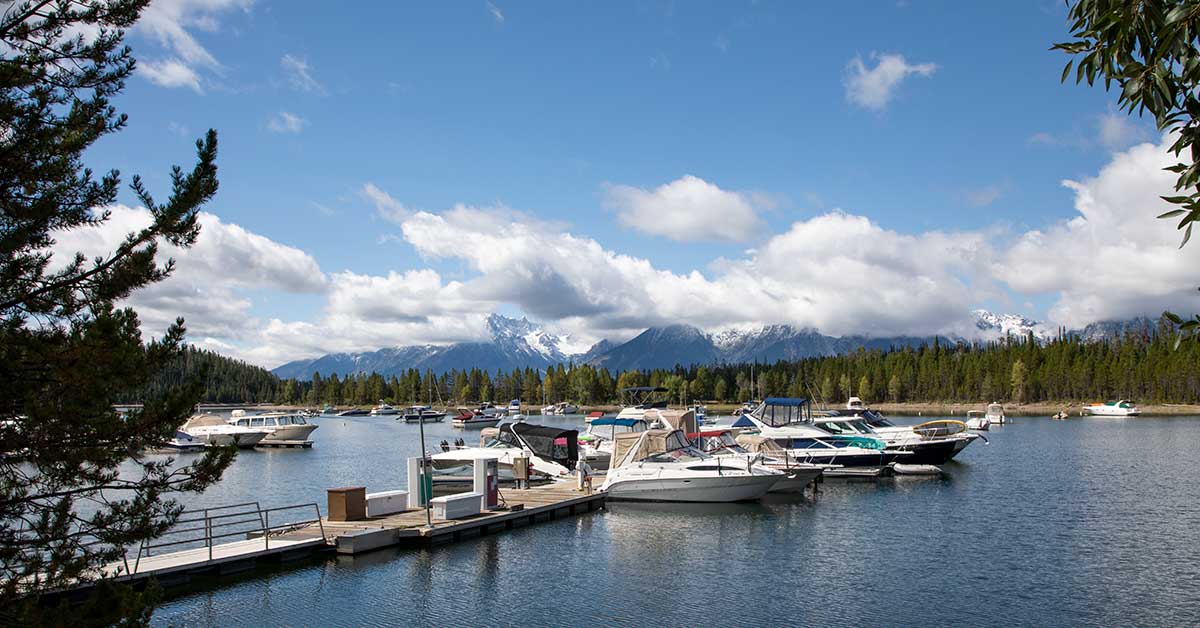
You can also go on a Jackson Lake Cruise and enjoy delicious breakfast or dinner excursion. The Colter Bay Marina offers breakfast and dinner cruises to Elk Island -- a unique and exclusive Grand Teton activity. There is a hot buffet on the island. Breakfast includes trout, pancakes, pastries, potatoes, eggs, fruit, cowboy coffee, yogurt and more. Dinner features steak and trout with a variety of sides. Enjoy your meal with Mount Moran rising over the lake. After your meal, take your time to explore the island and take a short hike.


Cycle The Grand Teton's Roads


Grand Teton National Park


Biking enjoys its fair share of popularity and fame in the park, especially when the multi-use pathway was introduced. For thrill seekers, dirt roads and bike trails such as Two Ocean Lake and Grassy Lake Road will be your escape and create an exciting mountain biking adventure. But road bikers, there's plenty for you, too! Over 100 miles of paved roads -- with an extensive bicycle pathway system -- let bike lovers enjoy the views while comfortably riding below the breathtaking Grand Teton Range.


Now, that the best activities have been unveiled, it is safe to say that Grand Teton is simply heaven for outdoor recreation and wildlife discoveries. With its sheer size of more than 300,000 acres, let it become the playground that will give you the memories of a lifetime!


I've created two posters for Grand Teton National Park -- one that features a view of the famed mountain range from the Snake River Overlook. The other is of Jenny Lake after a fall snowstorm.


Click here to see the Grand Teton National Park, Jenny Lake poster.


Click here to see the Grand Teton National Park, Snake River Overlook poster.


Rob Decker is a photographer and graphic artist who had the rare privilege of studying under Ansel Adams in Yosemite National Park when he was just 19 years old. Now, Rob is on a journey to explore and photograph all 61 of America's National Parks. He's creating WPA-style posters to help people celebrate their own national park adventures -- as well as encourage others to get out and explore!


Source: https://national-park-posters.com/blogs/national-park-posters/best-things-to-do-in-grand-teton-national-park

attachement

Monday, July 1, 2019

Best Things To Do in Yellowstone National Park (Part 1)

One of the greatest experiences in Yellowstone National Park is witnessing its geologic wonders. Topping the list are the hydrothermal features: hot springs, mudpots, fumaroles, and geysers -- particularly, Old Faithful. Well over 10,000 different hydrothermal features have been estimated to be active within the park. Even more incredible might be that over half of the world's active geysers are found here.

Every year, some 500-700 geysers are active. In 2011, it was determined that 1,283 geysers have been recorded as erupting in Yellowstone. This is truly incredible, when all of the rest of the world's geysers combined number less than 500. Hydrothermal features are extremely dynamic, changing throughout the day, across seasons, and over the years. This makes revisiting the different thermal basins so interesting. Besides seeing familiar sites, you can also see how those areas have changed since the last visit.

My name is Rob Decker and I’m a photographer and graphic artist with a single great passion for America’s National Parks! I’ve been to 52 of our 61 National Parks — and Yellowstone is one of my all-time favorites! I have explored most areas of the park — so I’m ready to help! So if this is your first time to the park, or your returning after many years, here are some of the best things to do in Yellowstone National Park! Yellowstone is huge...and this is the first of three posts describing what to do and what to see when you visit Yellowstone National Park. Read on to learn more about the southern part of the park.

Watch Old Faithful Geyser

Old Faithful Geyser, Yellowstone National Park

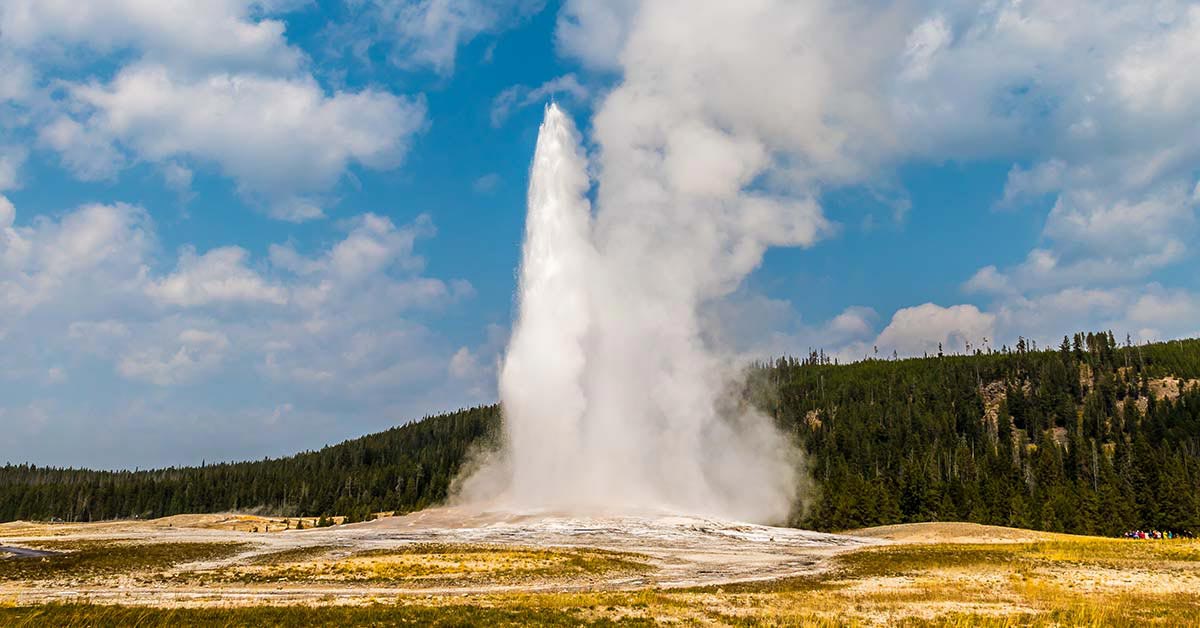
Watching Old Faithful Geyser erupt is a Yellowstone National Park tradition. People from all over the world have journeyed here to watch this famous geyser. The park’s wildlife and scenery might be as well-known today, but it was the unique thermal features like Old Faithful Geyser that inspired the establishment of Yellowstone as the world’s first national park in 1872. Old Faithful is one of nearly 500 geysers in Yellowstone and one of six that park rangers currently predict. It is uncommon to be able to predict geyser eruptions with regularity, but Old Faithful has lived up to its name, only lengthening the time between eruptions by about 30 minutes in the last 30 years. Thermal features change constantly and it is possible Old Faithful may stop erupting someday. Geysers and other thermal features are evidence of ongoing volcanic activity beneath the surface and change is part of this natural system.

Check out Fishing Bridge

The original bridge was built in 1902. It was a rough-hewn corduroy log bridge with a slightly different alignment than the current bridge. The existing bridge was built in 1937. Fishing Bridge was historically a tremendously popular place to fish. Angling from the bridge was quite good, due to the fact that it was a major spawning area for cutthroat trout. However, because of the decline of the cutthroat population (in part, a result of this practice), the bridge was closed to fishing in 1973.

Visit Yellowstone Lake

Yellowstone Lake, Yellowstone National Park

Large volcanic eruptions have occurred in Yellowstone approximately every 600,000 years. The most recent of these erupted from two large vents, one near Old Faithful and one just north of Fishing Bridge. Ash from this huge explosion -- 1,000 times the size of Mount St. Helens -- has been found all across the continent. The magma chamber then collapsed, forming a large caldera filled partially by subsequent lava flows. Part of this caldera is the 136-square mile basin of Yellowstone Lake. The original lake was 200 feet. higher than the present-day lake, extending northward across Hayden Valley to the base of Mt. Washburn.

Explore the West Thumb of Yellowstone Lake

Members of the 1870 Washburn party noted that Yellowstone Lake was shaped like "a human hand with the fingers extended and spread apart as much as possible," with the large west bay representing the thumb. In 1878, however, the Hayden Survey used the name West Arm for the bay. West Bay was also used. Norris' maps of 1880 and 1881 used West Bay or Thumb. During the 1930s, park personnel attempted to change the name back to West Arm, but West Thumb remains the accepted name.

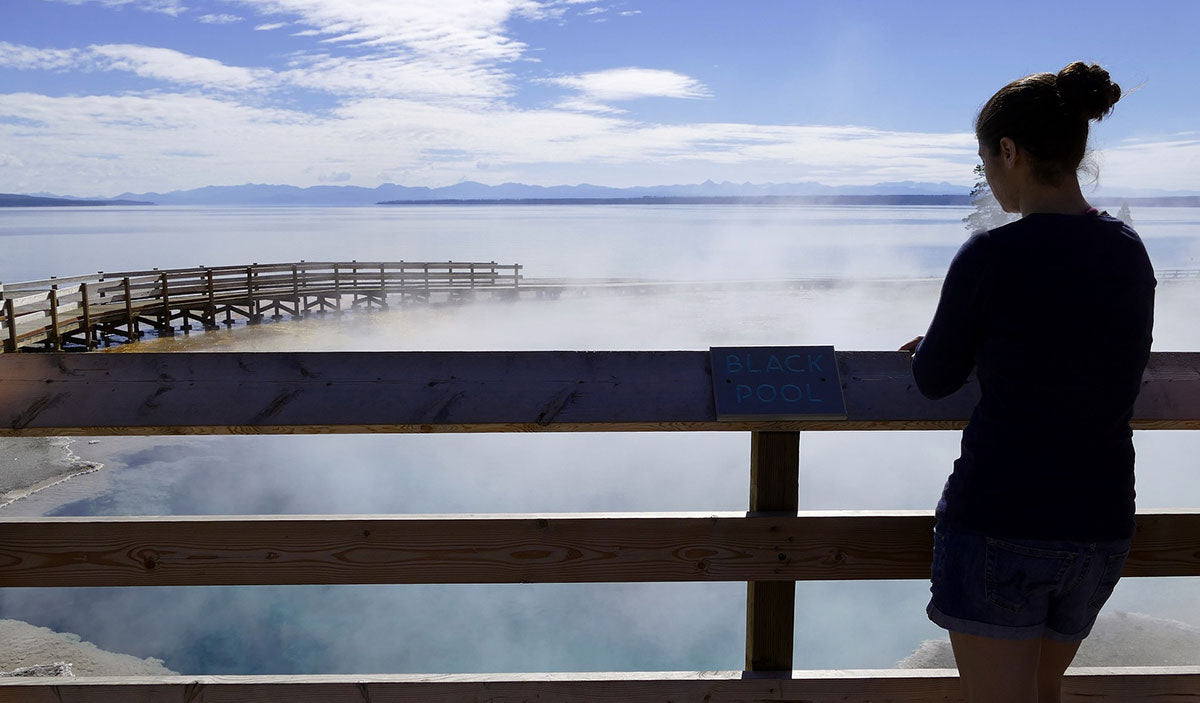
West Thumb, Yellowstone National Park

Explore the West Thumb Geyser Basin

West Thumb Geyser Basin, including Potts Basin to the north, is the largest geyser basin on the shores of Yellowstone Lake. The heat source of the hydrothermal features in this location is thought to be relatively close to the surface—only 10,000 feet down! The West Thumb of Yellowstone Lake was formed by a large volcanic explosion that occurred approximately 150,000 years ago. The resulting collapsed volcano later filled with water forming an extension of Yellowstone Lake. The West Thumb is about the same size as another famous volcanic caldera, Crater Lake in Oregon, but much smaller than the great Yellowstone Caldera. It is interesting to note that West Thumb is a caldera within a caldera. The hydrothermal features at West Thumb are found not only on the lake shore, but extend under the surface of the lake as well. Several underwater geysers were discovered in the early 1990s and can be seen as slick spots or slight bulges in the summer. During the winter, the underwater thermal features are visible as melt holes in the icy surface of the lake. The ice averages about three feet thick during the winter.

View Wildlife in Hayden Valley

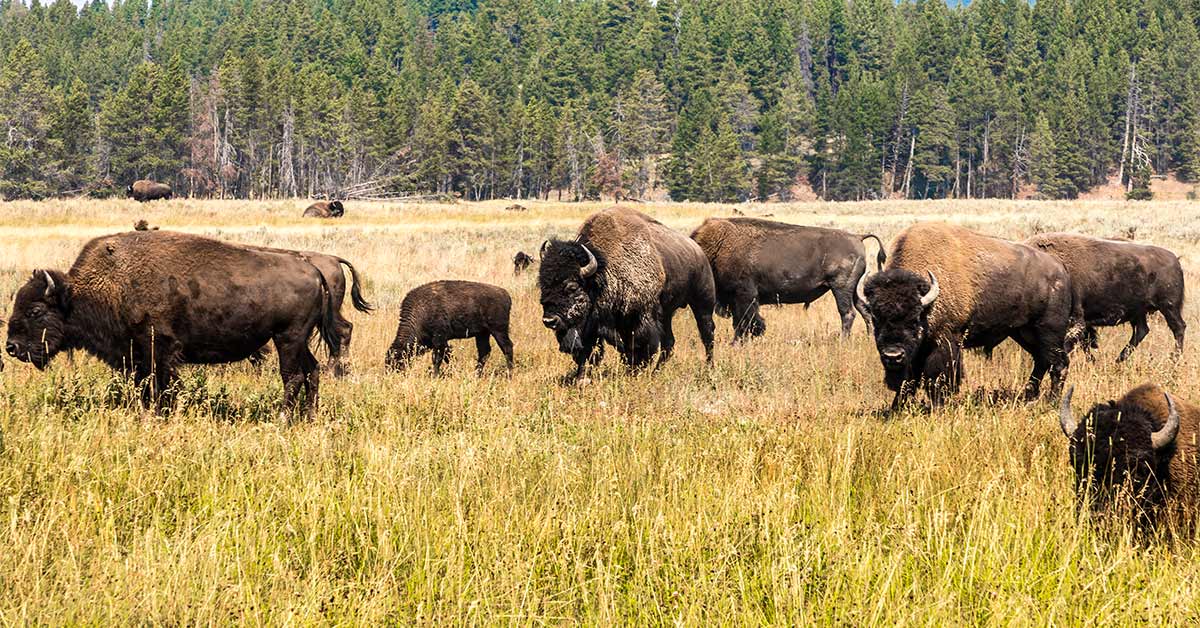
Bison, Hayden Valley, Yellowstone National Park

Hayden Valley is located six miles north of Fishing Bridge Junction. Hayden Valley offers some of the best habitat in the lower 48 states for viewing wildlife like grizzly bears, bison, and elk. Hayden Valley was once filled by an arm of Yellowstone Lake and it contains fine-grained lake sediments that are now covered with glacial till left from the most recent glacial retreat, about 13,000 years ago. Because the glacial till contains many different grain sizes, including clay and a thin layer of lake sediments, water cannot percolate readily into the ground. This is why Hayden Valley is marshy and has little encroachment of trees. Stay tuned for the next installment of Best Things to do in Yellowstone National Park!


Click here to see the Old Faithful poster.

Rob Decker is a photographer and graphic artist with a single passion for our National Parks! Rob is on a journey to explore and photograph each of our national parks and to create WPA-style posters to celebrate the amazing landscapes, vibrant culture and rich history that embody America's Best Idea!

Tuesday, March 27, 2018

Some 70 miles west of Key West Florida, in the Gulf of Mexico, lies one of North America’s most inaccessible national parks. Renowned for pirate legends, shipwrecks, and sheer unspoiled beauty, Dry Tortugas National Park harbors unrivaled coral reefs and marine life, an annual birding spectacle, and majestic Fort Jefferson, the largest masonry stronghold in the Western Hemisphere.

Getting There

Accessible only by boat or seaplane, just 60,000 visitors make it to Dry Tortugas National Park each year. Compare that to the more than 330 million people who visited America’s national parks last year. But it’s really no surprise when you consider what’s involved just getting there. The jumping off point is Key West, Florida, and from there, you can choose between an all-day boat ride, and half- or full-day seaplane trips, assuming you don’t have your own vessel.

Pre-Flight

When I visited Dry Tortugas National Park, I opted for the seaplane flight and checked in at the Key West Seaplane Adventures office at 7:30 for an 8:00 am flight. Even though it was late March, the sun was just rising, and filtered by wisps of pink and orange clouds. When the remaining nine passengers arrived, we received our briefing, were introduced to our pilot, and then walked out on to the tarmac together to board the DHC-3 DeHavilland Turbine Otter Amphibian. The plane can carry 10 passengers plus the pilot…and when the co-pilot seat was offered up, I literally jumped at the opportunity!
Our pilot has been flying to and from Dry Tortugas for years. He would make five trips to and from Dry Tortugas that day…and after dropping us off, his early morning return flight to Key West would be a solo one.

Ready for Takeoff

Once we had our seat belts fastened, and perhaps more importantly, our headphones on, the pilot began to narrate our early morning adventure as we taxied out on to the runway. I fired up my video camera…and before I knew it we were airborne heading due east into the morning sun, and just as quickly banking south, then west for a bird’s eye view of Key West. It was only then that I had the exhilarating realization I would be setting down in a place I’d only been able to conjure in my imagination — turquoise waters, green sea turtles, bright coral, frigate birds, shipwrecks, and a coastal fortress some 170 years old.

The co-pilot’s seat offered the perfect view of Key West, its hotels, Duvall Street and Mallory Square, which quickly faded from view. The pilot pumped some music into our headphones…though I wasn’t quite sure what to make of his first selection: Tom Petty’s “Free Fallin’”!
Flying at at 130 knots, we were quickly over an area called the “Flats,” a body of shallow water just 3–5 feet deep extending almost 20 miles to the west. Flying at just 500 feet above the water, these shallows are teeming with Loggerhead turtles and you could clearly see dozens of them swimming about as we cruised overhead.

25 miles out, we flew directly over Marquesas Islands, a coral atoll…and then over an area called the “Quicksands.” Here the water is 30 feet deep with a sea bed of constantly shifting sand dunes. This is where treasure hunter Mel Fisher found the Spanish Galleons Antocha and Margarita — and more than a half a billion dollars of gold and silver strewn across an eight mile area. They continue to work the site, and even today, there are regular finds of huge Spanish Emeralds.

But it wasn’t long from my vantage point in the cockpit before I could begin to make out Fort Jefferson on Garden Key, and further west, the lighthouse on Loggerhead Key.

Fort Jefferson, Dry Tortugas National Park Fort Jefferson, a massive but unfinished coastal fortress, is the largest brick masonry structure in the Americas. Composed of over 16 million bricks, the building covers 16 acres.

Florida was acquired from Spain (1819–1821) by the United States, which considered the 75 mile stretch connecting the Gulf Coast and Atlantic Ocean important to protect, since anyone who occupied the area could seize control trade along the Gulf Coast.

Construction of Fort Jefferson began on Garden Key in 1847, and although more than $250,000 had been spent by 1860, the fort was never finished. As the largest 19th century American masonry coastal fort, it also served as a remote prison facility during the Civil War. The most famous inmate was Dr. Samuel Mudd, who set the leg of John Wilkes Booth following the assassination of President Lincoln. Mudd was convicted of conspiracy and was imprisoned on the Dry Tortugas from 1865 to 1869. The fort continued to serve as a military prison until 1874.

Almost There…

Our pilot banked the De Havilland to the right, providing a spectacular view of the islands and Fort Jefferson, heading the seaplane into the wind for the smoothest landing I’ve ever experienced — on land or sea — gently skimming the surface, and we glided effortlessly across the turquoise waters and headed towards shore. One more roar of the engines, a quick turn, and we were up on the beach ready to disembark.

We arrived about 8:30 AM…and aside from the 10 passengers on board, a half dozen campers at one end of the Garden Key, and a few National Park Service employees, we had the island to ourselves.
As I watched the seaplane take off, heading back to Key West, it struck me just how isolated we were in this remote ocean wilderness.

I imagined the islands didn’t look much different to Spanish explorer Juan Ponce de León, credited for discovering the islands in 1531. He named them Las Tortugas, or “The Turtles,” as the islands and surrounding waters were aswarm with loggerhead , hawksbill, leatherback, and green turtles. For nearly three hundred years, pirates raided not only passing ships, but relied on turtles for meat and eggs and also pilfered the nests of roosting sooty and noddy terns. Nautical charts began to show that The Tortugas were dry — due to the lack of fresh water — and eventually the islands were renamed as The Dry Tortugas.

Taking advantage of the early morning light, I headed inside the fort, making my way up the spiral staircase, and stepped out of the old Garden Key lighthouse built in 1825. The lighthouse is no longer in use, since the “new” 167 foot tall lighthouse on Loggerhead Key, completed in 1858, continues to flash its beacon to mariners, warning of the shallow waters.

The view from atop of Fort Jefferson provided a spectacular 360 degree panorama. And besides the few spits of land that make up the park, there was nothing but sky and sea in every direction.

About the Park

Dry Tortugas National Park, situated at the farthest end of the Florida Keys, is closer to Cuba than to the American mainland. A cluster of seven islands, composed mostly of sand and coral reefs, just 93 of the park’s 64,000 acres are above water. The three easternmost keys are simply spits of white coral sand, while 49-acre Loggerhead Key, three miles out, marks the western edge of the island chain. The park’s sandy keys are in a constant state of flux — shaped by tides and currents, weather and climate. In fact, four islands completely disappeared between 1875 and 1935, a testament to the fragility of the ecosystem.

The Dry Tortugas are recognized for their near-pristine natural resources including seagrass beds, fisheries, and sea turtle and bird nesting habitat. The surrounding coral reefs make up the third-largest barrier reef system outside of Australia and Belize.

President Franklin D. Roosevelt established Fort Jefferson National Monument under the Antiquities Act on January 4, 1935. It was expanded to it’s current size in 1983, when the monument was re-designated by an act of Congress as Dry Tortugas National Park on October 26, 1992. Its charter: to protect the island and marine environment, to preserve Fort Jefferson and submerged cultural resources such as shipwrecks.

Inside Fort Jefferson

Just 100 yards or so from Fort Jefferson is Bush Key. Home to a diverse collection of birds that frequent the islands, it features a mix of mangrove, sea oats, bay cedar, sea grape and prickly pear cactus, reflecting the original character of the islands.

A great wildlife spectacle occurs each year between February and September, when as many as 100,000 sooty terns travel from the Caribbean Sea and west-central Atlantic Ocean to nest on the islands of the Dry Tortugas. Brown noddies, roseate terns, double-crested cormorants, brown pelicans and the Magnificent frigatebird, with its 7-foot wingspan, breed here as well. Although Bush Key was closed to visitors when I visited, hundreds, if not thousands of birds filled the skies and the sounds of their screeches and calls filled the otherwise tranquil surroundings.

There is no water, food, bathing facilities, supplies, or public lodging (other than camping on Garden Key) in the park. All visitors, campers, and boaters are required to pack out whatever they pack in, so the National Park Service created a wi-fi hotspot — only at the dock — where you can scan a QR code and download a variety of PDFs to your phone or tablet. It’s an idea that’s bound to catch on with so many mobile devices, reducing the need to print (and throw away) paper brochures. Inside Fort Jefferson, a small visitor’s center has a few exhibits and shows a short video. I stepped across the entranceway, and found an equally small office that houses the National Park Service employees who maintain and manage the park.

Some of the best snorkeling in North America

Although I was only on the half-day seaplane trip, I still had enough time for a quick swim and snorkel on the west side of Garden Key.

In the late 1800s, the US Navy built piers and coaling warehouses for refueling, but strong storms destroyed them, leaving only their underpinnings. These pilings, and the deeper water of the dredged channel, now offer an excellent opportunity to see larger fish like tarpon, grouper, barracuda…as well as the occasional shark.

Multi-colored sea fans swayed in the gentle current. Colorful reef fish — with their vivid and boldly patterned reds, yellows, greens and blues — were camouflaged amongst the bright coral and sea grasses. Today, turtle populations have diminished, but you may still be able to see green, loggerhead, hawksbill, and leatherback sea turtles.

As I walked back to the changing rooms at the dock, the seaplane for my return flight was just landing and I realized my time at Dry Tortugas was coming to an end. If I ever have a chance to get back, I would definitely opt for the full day trip.

A week later, after returning home to Colorado and was shoveling snow off of the driveway, a small plane passed overhead and I suddenly thought of my flight to Dry Tortugas : the bright sun, the crystal clear waters, the abundant life — above and below the water’s surface — a surreal landscape so captivating, so remote, that even having seen it with my own eyes, I still somehow could barely imagine it.

About the Author

Rob Decker is a photographer and graphic artist who is currently on a quest to photograph and create iconic WPA-style posters for all 60 National Parks.
Dry Tortugas National Park
The Dry Tortugas National Park WPA-style Poster

Rob visited his first national park at age five and began photographing them at age seven on a 10,000 cross-country trip with his family. He would spend the next decade working on his own, building a wet darkroom with his grandfather in the garage and serving as head photographer for the high school yearbook.

But Rob’s professional training really started at age 19, when he had the rare opportunity to study under Ansel Adams in Yosemite National Park during the summer of 1979, less than five years before Mr. Adams passed away.

Since then, he has visited and photographed 46 of the national parks in the US, including those in Alaska, Hawaii, and the Virgin Islands.

You can see the current collection of posters at www.national-park-posters.com

Sunday, March 4, 2018

Actually, Hot Springs Reservation was initially created by an act of Congress on April 20, 1832 -- even before the concept of a national park existed -- and was the first time that a piece of land had been set aside by the federal government as an area for recreation. For centuries, the hot spring water was believed to possess medicinal properties -- and the subject of legend among several Native American tribes. Following federal protection, the city developed into a successful spa town and has been home to Major League Baseball spring training, illegal gambling, speakeasies and gangsters such as Al Capone, horse racing at Oaklawn Park, the Army and Navy Hospital, and 42nd President Bill Clinton.

Established in 1921, the soothing thermal waters first attracted rich and poor alike to Hot Springs National Park who came for the baths that heat and relax. A thriving city built up around the hot springs and was nicknamed “The American Spa.” Today, you can stroll through the Bathhouse Row National Historical Landmark District, drive the scenic mountain roads or hike and explore the park’s 26 miles of trails.

The park includes portions of downtown Hot Springs, making it one of the most accessible national parks (nearly 1.5 million visitors in 2015). Bathing in spring water is available in approved facilities and the entire Bathhouse Row area is designated as a National Historic Landmark District. It contains the grandest collection of bathhouses of its kind in North America, including many outstanding examples of Gilded Age architecture. The row's Fordyce Bathhouse serves as the park's visitor center and Buckstaff and Quapaw still operate as bathhouses.

Hot Springs National Park

Click here for more info: https://www.national-park-posters.com/product/hot-springs-national-park/

Friday, March 2, 2018

Celebrate Mount Rainier National Park's Birthday, March 2nd!


Ascending to 14,410 feet above sea level, Mount Rainier stands as an icon in the Washington landscape. An active volcano, Mount Rainier is the most glaciated peak in the contiguous U.S.A., spawning six major rivers. Subalpine wildflower meadows ring the icy volcano while ancient forest cloaks Mount Rainier’s lower slopes. Wildlife abounds in the park’s ecosystems. Mount Rainier National Park is located in southeast Pierce County and northeast Lewis County in Washington state.

It was established on March 2, 1899 as the fifth national park in the United States.
The park encompasses 236,381 acres including all of Mount Rainier, the 14,410-foot stratovolcano. The mountain rises abruptly from the surrounding land with elevations in the park ranging from 1,600 feet to over 14,000 feet. The highest point in the Cascade Range, around it are valleys, waterfalls, subalpine meadows, old-growth forest and more than 25 glaciers. The volcano is often shrouded in clouds that dump enormous amounts of rain and snow on the peak every year.
Mount Rainier National Park
Mount Rainier is circled by the Wonderland Trail and is covered by several glaciers and snowfields totaling some 35 square miles. Carbon Glacier is the largest glacier by volume in the contiguous United States, while Emmons Glacier is the largest glacier by area. Mount Rainier is a popular peak for mountaineering with some 10,000 attempts per year with approximately 50% making it to the summit. The park contains outstanding subalpine meadows and 91,000 acres of old growth forests.

Along with Mount Rainier National Park, Yellowstone National Park, Hot Springs National Park and Kings Canyon National Park also celebrate their anniversaries in March.

Now you can SAVE 25% OFF the Mount Rainier National Park poster -- or any National Park Poster -- at National Park Posters. Just use coupon code: SAVE25 when you check out!

Thursday, March 1, 2018

Yellowstone National Park Turns 146 Today!

Yellowstone, the first National Park in the U.S. and widely held to be the first national park in the world, was established by the U.S. Congress and signed into law by President Ulysses S. Grant on March 1, 1872. Straddling the borders of Montana and Wyoming, according the the act, Yellowstone was established "as a public park or pleasuring-ground for the benefit and enjoyment of the people" and placed it "under exclusive control of the Secretary of the Interior." Prior to the establishment of the National Park Service, the U.S. Army protected Yellowstone between 1886 and 1918 from Fort Yellowstone at Mammoth Hot Springs.

Yellowstone National Park is known for its wildlife and the world's greatest concentration of geysers, especially Old Faithful Geyser, one of the most popular features in the park. These geothermal features are the main reason the park was established as America's first national park—and sparked a worldwide national park movement. Today more than 100 nations contain some 1,200 national parks or equivalent preserves. A mountain wilderness, Yellowstone is home to grizzly bears, wolves, and herds of bison and elk. The park is the centerpiece of the Greater Yellowstone Ecosystem, the largest remaining nearly-intact ecosystem in the Earth's northern temperate zone.

People have spent time in the Yellowstone region for more than 11,000 years. Many tribes and bands used the park as their home, hunting grounds, and transportation routes prior to and after European American arrival.

Yellowstone National Park spans an area of 3,468 square miles. Yellowstone Lake is one of the largest high-elevation lakes in North America and is centered over the Yellowstone Caldera, the largest supervolcano on the continent. The caldera is considered an active volcano and has erupted with tremendous force several times in the last two million years. Half of the world's geothermal features are in Yellowstone, fueled by this ongoing volcanism. Lava flows and rocks from volcanic eruptions cover most of the land area of Yellowstone.

Today, Yellowstone National Park’s cultural resources tell the stories of people and their connections to the park. And, the protection of these resources affects how the park is managed.

Click Here to Learn More!

Along with Yellowstone National Park, Mount Rainier National Park, Hot Springs National Park and Kings Canyon National Park also celebrate their anniversaries in March.

Now you can SAVE 25% OFF the Yellowstone National Park poster -- or any National Park Poster -- at http://www.national-park-posters.com Just use coupon code: SAVE25 when you check out!

Click Here For More Details!

Monday, February 19, 2018

Celebrating the Life & Times of Ansel Adams

February 20th is Ansel Adams' Birthday...

Many of you may know that I had the rare privilege to study under Ansel Adams in Yosemite National Park when I was just 19 years old. And as the years go by, I appreciate that experience more and more. Even at 19, I had already been working with black and white film for a solid decade before Adam's taught me his "Zone System". And I would spend another two decades continuing to work in black and white and hone my craft. 

Photographing Yosemite National Park with Ansel Adams...sure wish I had thought about taking a selfie back in 1979!

Yosemite National Park is an amazing "classroom" and we spent time photographing the Valley, the Merced River, as well as up in the high country of the Sierra Nevadas. But as much as the instruction, I remember some of the social time we had in the evenings, including cocktails with Ansel and his wife Virginia. I was 19 and they were in their late 70s and it was markedly clear that they were from a different era. Over the years, I've read most of what Ansel published, as well as what has been written about him. What an amazing life to have traveled this country -- and particularly to our National Parks -- seeing many of these places in more pristine condition than we do today, with the crowds and restrictions in place now.

At 19, I was pretty awestruck in his presence. I remember scraping together the last bit of cash I had for the summer -- just enough to buy two of his books at the bookstore in Yosemite -- The Negative and The Print seemed like the obvious choices. And then, in a bit more brazened move, I asked him to autograph them! Honestly, to this day, I can't think of anything more cherished. 

The Negative and The Print, my autographed copies

Now, the National Park Poster Project lets me share these incredible places -- many of which Ansel Adams visited and photographed -- with people from all over the world, and I hope in some small way, helps to encourage the next generation of National Park supporters. It also provides me with a way to give back, and in the last year, I made financial contributions to the National Park Foundation, the Yosemite Conservancy, Washington's National Park Fund, the Glacier Conservancy, the Friends of the Virgin Islands National Park, the Western National Parks Association, Eastern National, Conservancy for Cuyahoga National Park, and Yellowstone Forever. In addition, I have been able to donate posters to Washington's National Park Fund, the Glacier Conservancy and others for their silent auctions to help with their fundraising efforts.

Ansel Adams, who in addition to being an amazing photographer -- was also an environmentalist who was realistic about development and the subsequent loss of habitat. Adams advocated for balanced growth, but was pained by the ravages of "progress". In his autobiography, he stated that, "We all know the tragedy of the dustbowls, the cruel unforgivable erosions of the soil, the depletion of fish or game, and the shrinking of the noble forests. And we know that such catastrophes shrivel the spirit of the people... The wilderness is pushed back, man is everywhere. Solitude, so vital to the individual man, is almost nowhere."

Ansel Adams first visited Yosemite National Park in 1916...it would be another 50 years before my first visit...the first of many. Today, it remains one of my most favorite National Parks, not just for the awe-inspiring beauty that is Yosemite, but also for the memories of camping with my family, backpacking the high country with friends, and of course, the summer of 1979 studying under one of the true masters!

I've just re-printed the 2018 edition of the Yosemite National Park poster, and new Artist Proofs are now available as well. Artist Proofs are the first 25 prints pulled from the print run, and feature the pressman's color bars at the bottom of the print. The pressman uses these color bars to maintain quality, color balance and registration throughout the print run. Prints are dated, signed and numbered 1-25/25. They are very popular, and many have already been sold.You can see the Artist Proof here: https://www.national-park-posters.com/product/yosemite-national-park-artist-proof/

Yosemite National Park Artist Proof

>>> Learn all about the National Park Poster Project Here!

Tuesday, December 5, 2017

Our Best Holiday Deals of the Year

 SAVE 30% SITEWIDE WITH COUPON CODE: HOLIDAY30
 

Or Check Out Our Holiday Special Offers - Only While Supplies Last

The "Date of Establishment" poster -- our newest release -- features the date each of our 59 major National Parks were established!
 HOLIDAY DEAL #1 -- PICK12PARKS
Park Map and Date of EstablishmentSave 60% when you order any 12 posters for $189 AND GET...

  • The "Date of Establishment: Poster FREE! -- a $30 Value
  • The "America's National Parks Map" Poster FREE! -- a $30 Value
  • 3 "Worth Protecting" Stickers FREE! -- a $17.85 Value
  • UPGRADE: USPS Priority Mail in a Flat Mailer FREE! -- a $9.95 Value

Use Coupon Code: PICK12PARKS at checkout, save 60%, AND get the Date of Establishment poster, the America's National Parks Map poster, and 3 stickers for free! A $472.80 Value
3 Worth Protecting Stickers Get the Date of Establishment poster, the America's National Parks Map poster, free! And slap the 3" x 4" sticker on outdoor gear, vehicles and more so you can voice your desire to protect America’s National Parks.
 HOLIDAY DEAL #2 -- PICK9PARKS
Park Map and Date of EstablishmentSave 50% when you order any 9 posters for $169 AND GET...

  • The "Date of Establishment: Poster FREE! -- a $30 Value
  • The "America's National Parks Map" Poster FREE! -- a $30 Value
  • 3 "Worth Protecting" Stickers FREE! -- a $17.85 Value
  • UPGRADE: USPS Priority Mail in a Flat Mailer FREE! -- a $9.95 Value

Use Coupon Code: PICK9PARKS at checkout, save 50%, AND get the Date of Establishment poster, the America's National Parks Map poster, and 3 stickers for free! A $352.80 Value
3 Worth Protecting Stickers
Get the Date of Establishment poster, the America's National Parks Map poster and 3 stickers. One for you and two to share!
 
 HOLIDAY DEAL #3 -- PICK6PARKS
Park Map and Date of EstablishmentSave 45% when you order any 6 posters for $129 AND GET...

  • The "Date of Establishment: Poster FREE! -- a $30 Value
  • The "America's National Parks Map" Poster FREE! -- a $30 Value
  • 3 "Worth Protecting" Stickers FREE! -- a $17.85 Value
  • UPGRADE: USPS Priority Mail in a Flat Mailer FREE! -- a $9.95 Value

Use Coupon Code: PICK6PARKS at checkout, save 45%, AND get the Date of Establishment poster, the America's National Parks Map poster, and 3 stickers for free! A $272.80 Value
3 Worth Protecting Stickers Get the Date of Establishment poster, the America's National Parks Map, and 3 stickers so you can share your swag!
 
 HOLIDAY DEAL #4 -- PICK3PARKS
National Parks by Established DateSave 35% when you order any 3 posters for $79 AND GET...

  • The "Date of Establishment: Poster FREE! -- a $30 Value
  • USPS First Class Shipping FREE!

Use Coupon Code: PICK3PARKS at checkout, save 35%, AND get the Date of Establishment poster for free! A $125.00 Value
The Date of Establishment poster features all 59 major National Parks and the day, month and year they were established! The poster is 13" x 19" and printed on "Conservation", a 100% recycled, domestically-produced paper stock with soy-based inks.
 

Check Out Our Holiday Gift Guide!

Use Coupon Code: HOLIDAY30 & Save 30% Off Your Entire Order! And, don't forget! Shipping is Always Free!

National Park Posters

Yellowstone National ParkWPA-Style Posters of Your Favorite National Park. Inspired by the iconic WPA artwork of the 1930s and 40s, our National Park posters are designed to celebrate our American heritage. Each numbered, signed and dated poster is printed on “Conservation,” a 100% recycled stock with soy based inks. From start to finish, these posters are 100% American Made!

$30.00
-- Now, just $21 when you use coupon code: HOLIDAY30

Click Here to See the Posters

Artist Proofs

Grand Teton National Park Artist ProofThese Limited Edition prints are in High Demand! National Park Artist Proofs are the first 25 posters pulled from each print run, are numbered 1-25, and are dated and signed. They feature the color bars used by the pressman to make sure registration and colors stay consistent throughout the print run. My signature attests that I have personally inspected and approved each print — and further verified that no unsigned or unnumbered copies within the limited edition are known to exist.

$55.00
-- Now, just $38.50 when you use coupon code: HOLIDAY30

Click Here to See the Artist Proofs

Worth Protecting Stickers

Worth Protecting StickerThese will make awesome stocking stuffers! The Worth Protecting sticker is 3″ x 4″ and printed on white polypropylene with a UV laminate. The sticker is based off of the ever-so-popular “Worth Protecting” national park poster, created in the style of the Works Progress Administration (WPA). Stickers can be slapped on outdoor gear, vehicles and more for people to voice their desire to protect America’s National Parks. For indoor or outdoor use!

$5.95
-- Now, just $4.17 when you use coupon code: HOLIDAY30

Click Here to See the Worth Protecting Stickers

Sketchbooks

National Park SketchbookThese one-of-a-kind, handmade sketchbooks are perfect for your next national park adventure! Front & back covers are made from posters we’ve recycled from each print run. 35 blank pages are perfect paper for charcoal, Conte crayon, chalk, pastel, watercolor, pen and ink, pencil, markers or just about any type of media. Its size makes it easy to slip into your bag or backpack for on-the-go drawing — or on your nightstand, so you’ll have it whenever inspiration strikes. Covers will vary since each notebook is unique.

$14.95
-- Now, just $10.47 when you use coupon code: HOLIDAY30

Click Here to See the Sketchbooks

Postcards

4 x 6 Postcard FrameLimited on wall space? National Park postcards are the perfect solution. Just find a frame for 4" x 6" photo prints, and you can make a custom display of your favorite parks! Postcards are also great for sending to friends, use in PostCrossings, Save the Date or other announcements!

$20.00 - $22.00
-- Now, just $14.00 - $15.40 when you use coupon code: HOLIDAY30

Click Here to See the Postcards

Build Your Own Collections

Park Map and Date of EstablishmentNow you can save up to 60% when you build your own collections of 3, 6, 9 or 12 of your favorite National Park posters. Save BIG, and you can also get the "Date of Establishment" poster and the "America's National Parks" map -- and some free "Worth Protecting" stickers included with your order!

Starting at $79.00

Click Here to See Our Holiday Deals

Friday, September 15, 2017

The Golden Gate National Recreation Area was established in 1972 as a new urban park. A timely merging of political, economic, social and environmental forces, occurring in both the Bay Area and the country, paved the way for the creation of the park. Its very existence illustrates the power of the environmental conservation movement in the 1960s and 1970s. Here you can go for a hike, enjoy a vista, have a picnic or learn about the centuries of overlapping history from California’s indigenous cultures, Spanish colonialism, the Mexican Republic, US military expansion and the growth of San Francisco.

The Golden Gate National Recreation Area protects 82,027 acres of ecologically and historically significant landscapes surrounding the San Francisco Bay Area. It has been part of the homelands of Coastal Miwok and Ohlone people for thousands of years and still contains archeological sites and landscapes influenced by native land management. The park's resources are tremendously varied, ranging from dramatic natural landscapes to cultural and historic landmarks: redwood forests, land protecting endangered species, seaside recreation sites, lighthouses, shipwrecks, former prisons, successful Mexican and early American dairy farms, the U.S. Army's development of the Bay Area's expansive seacoast defenses, and elegant early 20th century recreational baths and gardens.

Much of the park is land formerly used by the United States Army. It contains eleven former Army posts whose military architecture and historic landscapes comprise the heart of the park. It encompasses 59 miles of bay and ocean shoreline and has military fortifications that span centuries of California history, from the Spanish conquistadors to Cold War-era Nike missile sites.

The Golden Gate National Recreation Area is managed by the National Park Service and is one of the most visited units of the National Park system in the United States, with more than 15 million visitors a year. The park is also one of the largest urban parks in the world, with a size two-and-a-half times that of the consolidated city and county of San Francisco. It is not one continuous locale, but rather a collection of areas that stretch from southern San Mateo County to northern Marin County, and includes several areas of San Francisco.

The park is as diverse as it is expansive; it contains famous tourist attractions such as Muir Woods National Monument, Alcatraz, Fort Point and the Presidio of San Francisco. The Golden Gate National Recreation Area supports 19 distinct ecosystems is also home to 2,000 plant and animal species.

About the Golden Gate National Recreation Area Poster

The Golden Gate National Recreation Area Poster is an original work by Robert Decker and features the iconic Golden Gate Bridge from Baker Beach looking across to the Marin Headlands. The poster measures 13″ x 19″ and is created in the style of the Works Progress Administration (WPA) of the 1930s and 1940s, posters are printed on “Conservation,” a 100% recycled, domestically produced (80 lb.) paper stock with soy-based inks. From start to finish, each poster is 100% American Made.

  Click here to see the Golden Gate National Recreation Area Poster

Golden Gate National Recreation Area Artist Proofs are the first 25 posters pulled from each print run. They are numbered 1-25, and are dated and signed. Each print features the color bars used by the pressman to make sure that the print stays registered and colors stay consistent throughout the print run. Golden Gate National Recreation Area posters are 13″ x 20″.

  Click here to see the Golden Gate National Recreation Area Artist Proof

The Golden Gate National Recreation Area Canvas Prints are printed on superior-quality, artist-grade canvas, designed for museum display and gallery exhibitions. This 350 gsm, acid-free canvas has a tight, natural weave which maximizes image quality, while also revealing the texture of an artist’s canvas. Golden Gate National Recreation Area canvas prints are available in two sizes: 16" x 24" 20" x 30" and 24" x 36", are shipped free and are ready to hang.

  Click here to see the Golden Gate National Recreation Area Canvas Print

Sunday, June 18, 2017

How Can You Support America's National Parks? Here are 6 Easy Ways!

Our national parks have taken center stage recently, and for good reason. Today, America's national parks need our support more than ever. With an existing backlog of work and impending budget cuts, we need to lend our support to preserve America’s Best Idea. So how can you help? It's actually very easy. Here are a half dozen ways you can contribute to these incredible places so the next generation can enjoy them, too!

Volunteer: There are so many ways you can help out your national parks through volunteering — just figure out which role is right for you.

Donate: Simply donating to the National Park Foundation will contribute to the 400 national parks in the country. We have 84 million acres of land to protect!

Purchase an America the Beautiful Pass: Honestly, this one’s a no brainer! At a cost of just $80 ($20 for Senior Pass), there’s no better value on the planet than these annual passes. Get all the details at the National Park Service site and start visiting America's National Parks!

Contribute to the Conservation and Preservation Charities of America: This foundation trains people to protect the environment, conserve natural resources, and preserve historic places. It works to protect the nation's hiking trails, fisheries, rivers, coastal areas and oceans.

Become a Member: You can become a member of one of the many national, regional or local organizations, associations and conservancies that support our national parks. If you're already a member, renew for next year!

Share your Park Experience with Others: The only way to spread the word about the beauty and importance of national parks is to show other people just how wonderful these places are. Share your
stories and pictures with friends, family and on social media and encourage others to find their park!


I’m trying to make a difference by giving back to the amazing organizations, associations, trusts and conservancies that support the National Parks. I feel that it’s important to protect America’s special places, and to connect people with nature. And it’s up to all of us to pitch in. Perhaps more importantly, we need to inspire the next generation of park stewards. Learn about our Giving Back Program here...

So you can see how easy it is to support America's national parks! Now it's time to hit the road and start exploring!

Learn more at National Park Posters!

Wednesday, April 27, 2016

The National Park Poster Project

You’ve seen those incredible, iconic posters of our national parks. The ones with the cool retro lettering and pastel colors. But did you know there were actually only 14 of these posters created for our national parks?
Well, I started National Park Posters to change all that. My mission is to continue the legacy of documenting our beautiful national parks with the same motif started by artists working for the Works Progress Administration back in the 1930s and 40s.


First some background on the original, classic posters. As you may remember from your history classes, the WPA was created during the Great Depression when millions of people were out of work.
Then President Franklin D. Roosevelt knew he had to do something to jump start the economy but more importantly to put food in the mouths of families. There were reportedly 20 million people on relief of some sort. He also knew there were plenty of Americans out there willing to work, if they had the opportunity.
So with the Emergency Relief Appropriation Act of 1935, the WPA was formed. The result? As many as 3.3 million people were given a job and put back to work. With picks, axes and muscle power they built an astonishing number of roads, bridges, airports and parks all over America.
Just about every town and region in America benefited from this program.
But another interesting aspect of the WPA program is that they also employed artists, writers, actors and musicians (hey those people need to work too). These artisans created works of art for the government and also taught their craft to local school children.
If you are a park enthusiast, you can appreciate the stunning posters created by these artists honoring the incredible beauty of our parks. To this day, the posters have a unique style with block lettering and brilliant colors.
But, only 14 national park posters were actually made. It’s not like they missed a bunch of parks. Back then, there were actually only 26 national parks...so there's a gap to be filled.
As a Parks Lover and Photographer, I picked Up a New Palette
I have been photographing the national parks for the past 35 years. But when I was 19 years old, I had the rare and amazing opportunity to study under one of the greatest photographers and park supports of all time – Ansel Adams. I learned all the intricacies of Ansel’s famous black and white zone system while photographing Yosemite National Park. Now that was inspiring!
Artists back in the 1930s would often create posters from black and white photos -- the only kind available at that time. They used their imagination to fill in the colors. To recreate that appearance, I developed a unique process that starts with High Dynamic Range Photography and then transforms them into graphic art, reminiscent of the WPA-style.
I print the posters on "Conservation" a 100% recycled, domestically-produced paper stock and uses bio-based inks which are approved by the Forest Stewardship Council and Rainforest Alliance.
One of the challenges (and perks) of this project is that I have to visit the parks to get the shots I need. While I have photographed many of the parks over the years, I have had to revisit some of these locations to keep the consistency with my latest camera techniques.
I plan to create posters for all major 59 national parks, I admit that’s quite a lofty goal.
The National Park Poster Project also provides a way for me to give back, and I donate a percentage of online sales to organizations, associations and conservancies that help protect and preserve these national parks.
As we celebrate the 100th Anniversary of the National Park Service, The National Park Poster Project is a great way to honor our fantastic parks and carry on a tradition created by struggling artists nearly 100 years ago. It ties in perfectly with the whole spirit of America, from our vast rugged wilderness to our resourceful citizens.
For more information, click here to go to www.national-park-posters.com